In today’s digital-first economy, small businesses face the challenge of competing with larger corporations that often have more resources, larger marketing budgets, and extensive customer bases. Yet, while the shift to digital has leveled the playing field in many ways, it also demands that small businesses adapt and innovate to stay relevant. A strong digital presence, customer-centric strategies, and the smart use of technology can enable small businesses to not only survive but thrive in this new landscape.
This article explores how small businesses can effectively compete in a digital-first economy by leveraging digital tools, creating personalized customer experiences, and employing agile strategies that cater to the modern consumer.
Understanding the Digital-First Economy
The digital-first economy is characterized by the dominance of online platforms, e-commerce, mobile apps, and digital communication channels in consumer behavior. Businesses are now expected to have an online presence, where consumers can discover, engage with, and purchase their products or services seamlessly. The shift to a digital-first economy has accelerated due to several factors, including:
- Advances in Technology: The rise of mobile devices, high-speed internet, and cloud computing has made it easier for consumers to access information and shop online.
- The E-Commerce Boom: Online shopping is growing rapidly, with more consumers preferring to make purchases from the comfort of their homes. Small businesses must adapt to this trend to reach their customers.
- Changing Consumer Expectations: Today’s consumers demand convenience, speed, and personalized experiences. They expect businesses to meet them where they are—online and across multiple digital platforms.
For small businesses, the shift to a digital-first economy presents both challenges and opportunities. Competing with larger companies online can seem daunting, but the right digital strategies can level the playing field.
Challenges for Small Businesses in a Digital-First Economy
Before diving into the strategies that small businesses can use to compete in a digital-first economy, it’s important to understand the unique challenges they face.
1. Limited Resources
Small businesses often have smaller budgets, fewer employees, and less access to technology than larger competitors. This can make it difficult to invest in advanced digital tools, marketing campaigns, or full-scale digital transformations.
2. Building a Digital Presence
For many small businesses, especially those traditionally reliant on brick-and-mortar locations, establishing and maintaining a strong online presence can be challenging. From creating a website to managing social media and optimizing for search engines, going digital requires time, effort, and expertise.
3. Competing with Big Brands
Large corporations with significant resources can dominate online spaces, outspending small businesses on paid advertising, SEO, and content marketing. This can make it hard for small businesses to get noticed and reach their target audience.
4. Keeping Up with Digital Trends
The digital landscape is constantly evolving, with new technologies, platforms, and consumer behaviors emerging all the time. Staying up-to-date with these trends is essential for staying competitive but can be overwhelming for small business owners.
Despite these challenges, small businesses have unique strengths—such as agility, personalized customer service, and local connections—that, when paired with the right digital strategies, can help them thrive.
Opportunities for Small Businesses in a Digital-First Economy
While the digital-first economy presents challenges, it also offers significant opportunities for small businesses to grow, expand their reach, and connect with customers in new ways.
1. Leveraging Digital Tools for Cost-Effective Marketing
Digital marketing tools allow small businesses to reach a large audience at a fraction of the cost of traditional advertising. Social media platforms, email marketing, and search engine optimization (SEO) are affordable ways for small businesses to engage with their customers.
Benefits of digital marketing for small businesses:
- Targeted Advertising: Platforms like Google Ads and Facebook Ads enable small businesses to target their ideal audience based on demographics, interests, and behavior.
- Social Media Reach: Social media offers a direct way to connect with customers, build brand awareness, and foster loyalty through organic and paid content.
- Email Marketing: With the highest return on investment (ROI) of any digital marketing channel, email allows small businesses to engage with customers and drive repeat sales.
- SEO and Content Marketing: Organic search results can drive traffic to your website for free. By creating relevant, valuable content and optimizing for search engines, small businesses can attract customers actively searching for their products or services.
2. E-Commerce: Selling Beyond the Local Market
In the past, small businesses were often limited to serving their local communities. Today, e-commerce allows them to reach customers anywhere in the world. Setting up an online store using platforms like Shopify, WooCommerce, or Etsy enables small businesses to tap into the growing demand for online shopping.
Benefits of e-commerce for small businesses:
- Increased Reach: Selling online expands your customer base beyond local boundaries, allowing you to attract customers from across the country or even internationally.
- Convenience for Customers: Consumers increasingly prefer the convenience of shopping online, and having an e-commerce platform meets their expectations.
- Scalability: E-commerce allows small businesses to grow their sales without the need for a larger physical space or additional staff.
3. Personalized Customer Experiences
Small businesses often excel at providing personalized service. In a digital-first economy, businesses can use customer data to create highly personalized online experiences that build loyalty and increase customer satisfaction.
Ways to personalize customer experiences:
- Targeted Product Recommendations: Use data from previous purchases or browsing behavior to suggest products that customers are likely to be interested in.
- Personalized Email Campaigns: Segment your email list to send personalized offers, product recommendations, or birthday discounts.
- Customer Relationship Management (CRM): Implement CRM software to keep track of customer preferences, purchase history, and interactions, allowing you to offer tailored service and follow-up.
Personalization makes customers feel valued and understood, encouraging repeat business and long-term loyalty.
4. Building Stronger Customer Relationships with Social Media
Social media is an essential tool for small businesses in a digital-first economy. It allows businesses to engage with customers, showcase products, share stories, and foster a sense of community around their brand.
Benefits of social media for small businesses:
- Direct Communication: Social media platforms like Instagram, Facebook, and Twitter allow businesses to communicate directly with customers, respond to inquiries, and build relationships in real time.
- Brand Storytelling: Sharing the story behind your business—why it was founded, who’s behind it, and what values it stands for—can create an emotional connection with customers.
- Engagement and Feedback: Social media gives small businesses an opportunity to engage with their audience through polls, contests, or user-generated content, while also gathering valuable customer feedback.
By fostering engagement on social media, small businesses can create loyal communities of customers who advocate for their brand.
Strategies for Small Businesses to Compete in a Digital-First Economy
To thrive in the digital-first economy, small businesses must adopt specific strategies that leverage their strengths and adapt to new market conditions. Here are key strategies that can help small businesses succeed:
1. Focus on Local SEO
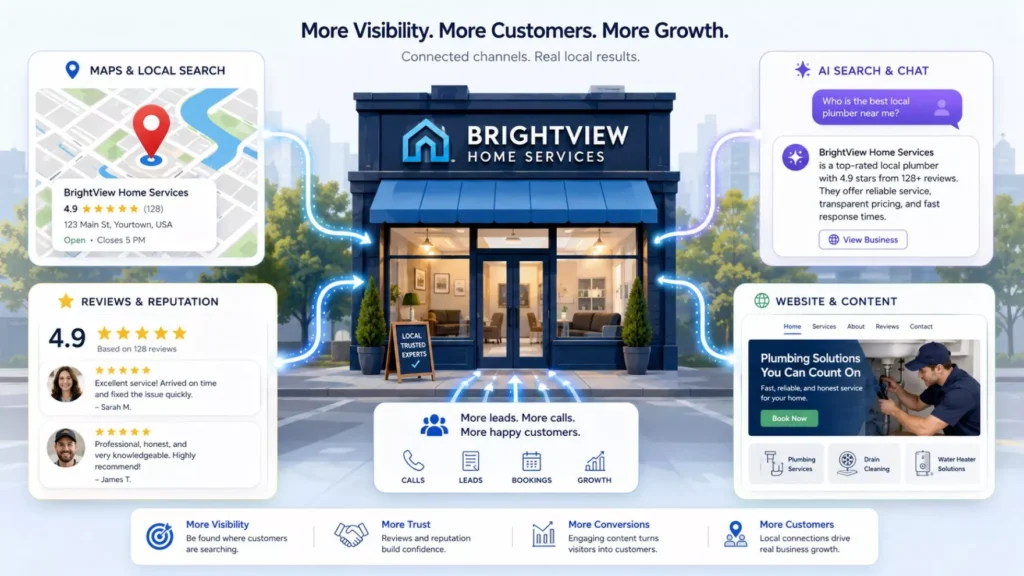
While global reach is an advantage, small businesses can still compete by targeting their local market. Optimizing for local SEO helps businesses show up in search results when nearby customers are looking for products or services.
Key local SEO strategies:
- Google My Business: Create and optimize your Google My Business profile to ensure your business appears in local search results and Google Maps.
- Local Keywords: Use location-specific keywords in your website content to attract customers searching for products or services in your area.
- Customer Reviews: Encourage satisfied customers to leave reviews on Google, Yelp, and other review platforms to boost your local search rankings.
Focusing on local SEO helps small businesses attract nearby customers who are more likely to convert.
2. Embrace Automation for Efficiency
Automation tools can help small businesses streamline their operations and improve efficiency without the need for additional staff. From automating marketing campaigns to managing inventory, automation allows small businesses to compete more effectively.
Ways small businesses can use automation:
- Email Automation: Use email marketing platforms like Mailchimp or HubSpot to automate email campaigns, such as welcome sequences, abandoned cart reminders, and post-purchase follow-ups.
- Social Media Scheduling: Automate social media posts using platforms like Buffer or Hootsuite to ensure consistent engagement without needing to post manually.
- Customer Support: Implement chatbots or automated customer service tools to answer common questions and provide instant support, freeing up time for more complex tasks.
Automation allows small businesses to focus on strategic growth while minimizing manual, repetitive tasks.
3. Create High-Quality Content
Content marketing is a powerful tool for small businesses to attract and engage customers. By creating valuable, informative, or entertaining content, small businesses can establish themselves as thought leaders in their industry and build trust with their audience.
Types of content that resonate with customers:
- Blog Posts: Share tips, how-tos, or insights related to your industry. Blogging helps with SEO and establishes your business as a knowledgeable resource.
- Videos: Use video content to showcase your products, tell your brand story, or provide tutorials. Platforms like YouTube, TikTok, and Instagram Stories are ideal for reaching a wider audience.
- Social Media Posts: Share engaging content on social media to connect with your audience, build brand awareness, and drive traffic to your website.
Content marketing is a cost-effective way to attract potential customers and build long-term brand loyalty.
4. Invest in Customer Service Excellence
In a digital-first economy, customer service can make or break a small business. Offering exceptional customer service—both online and offline—creates positive experiences that customers remember, leading to repeat business and referrals.
Customer service strategies for small businesses:
- Quick Responses: Ensure that customer inquiries, whether through email, social media, or chat, are answered quickly and professionally.
- Personalized Support: Use customer data to provide personalized service, such as offering product recommendations or following up on previous issues.
- Exceed Expectations: Go the extra mile to delight your customers. This could mean offering a small freebie with a purchase or providing an unexpected discount.
Outstanding customer service helps differentiate small businesses from larger competitors, where customer interactions may feel less personal.
The Future of Small Business in a Digital-First Economy
As the digital-first economy continues to evolve, small businesses must remain flexible and adaptive to changing trends and technologies. The rise of e-commerce, social media, and mobile technology will only continue, making it essential for small businesses to embrace digital transformation fully.
Emerging trends for small businesses:
- Mobile Optimization: More consumers are shopping and browsing on their mobile devices. Ensuring that your website is mobile-friendly and optimized for speed is crucial for capturing mobile users.
- Sustainability and Ethical Practices: Consumers, especially younger ones, are increasingly prioritizing businesses that are socially and environmentally responsible. Incorporating sustainability into your business model can help attract and retain these customers.
- Voice Search: With the rise of smart speakers like Amazon Alexa and Google Home, optimizing for voice search will become increasingly important for small businesses looking to capture local searches.
Small businesses that stay ahead of these trends, continue to innovate, and prioritize customer relationships will find themselves well-positioned for long-term success in the digital-first economy.
Conclusion
The shift to a digital-first economy has opened up new opportunities for small businesses to compete on a global scale. By embracing digital marketing, e-commerce, personalization, and social media, small businesses can build strong relationships with their customers, reach new audiences, and drive growth. Although the challenges of limited resources and fierce competition are real, small businesses that adopt agile strategies, focus on providing exceptional customer experiences, and stay up-to-date with the latest digital trends will thrive in this new landscape.