Digital marketing is the beating heart of modern business strategy. Behind every viral campaign, every perfectly timed email, and every engaging social media post is the untiring effort of a digital marketer. These professionals juggle analytics, creativity, and caffeine to deliver measurable results. While their roles vary widely, one constant remains: no two days are the same. Here’s an in-depth look at what makes a day in the life of a digital marketer both challenging and exhilarating.
The Morning Hustle: Kickstarting the Day with Strategy and Coffee
The day for most digital marketers begins with a steaming cup of coffee and an overflowing inbox. Email notifications, project updates, and analytics reports all compete for immediate attention. The first hour of the day often determines the flow of the rest.
Key Morning Activities:
- Email Checks and Updates: Reviewing campaign performance, client communications, and team updates.
- Social Media Audits: Analyzing engagement metrics, responding to comments, and scheduling posts for the day.
- Setting Priorities: Identifying high-priority tasks, such as client presentations or ad campaign optimizations.
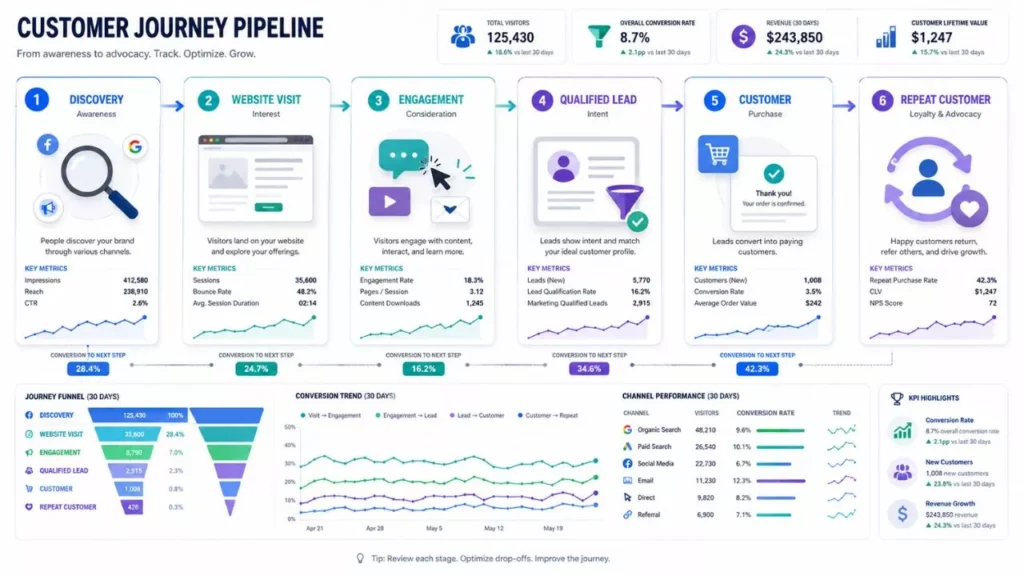
Most mornings are spent skimming analytics dashboards to ensure that campaigns are on track. From click-through rates (CTR) to conversion metrics, marketers live and breathe numbers.
Mid-Morning Brainstorming: Creativity Meets Strategy
As the caffeine kicks in, the focus shifts to creativity. Digital marketing is not just about analyzing data; it’s about using that data to inspire innovative campaigns.
Collaborative Brainstorming Sessions:
- Content Strategy Discussions: Team meetings focus on blog topics, email themes, or social media trends to target specific audience personas.
- Ad Campaign Planning: Ideating ad visuals and copy for platforms like Google Ads and Meta.
- Video Storyboarding: Outlining reels, TikToks, or YouTube ads that align with branding.
Digital marketers often work closely with designers, copywriters, and developers during these sessions to bring ideas to life.
Lunch Break: Unplugging Amidst the Chaos
The unpredictable nature of digital marketing means lunch is rarely at the same time every day. For many, it’s a quick break to refresh while scrolling industry news or keeping an eye on social media trends.
- Trending Hashtag Monitoring: Ensuring content aligns with what’s currently gaining traction.
- Competitor Analysis: A quick scan of competitors’ digital activity provides insights for future strategies.
- Networking: Engaging with thought leaders or potential clients via LinkedIn or professional communities.
Even lunch can turn into a brainstorming session, particularly when deadlines loom.
Afternoon Execution: The Engine of Digital Marketing
The afternoon is the most productive time for digital marketers. With the morning’s data insights and brainstorming, execution begins. Whether launching campaigns or tweaking ad strategies, this phase is where ideas turn into tangible results.
Core Afternoon Tasks:
- Campaign Launches: Setting live ads or sending email campaigns after thorough testing.
- SEO Optimizations: Updating keywords, meta descriptions, and technical aspects to improve rankings.
- Content Creation: Writing blogs, designing social posts, or filming short-form videos.
Marketers often find themselves toggling between multiple tools like Google Analytics, Canva, and CRM platforms to manage their workflows efficiently.
The Analytics Deep Dive: Data Drives Decisions
By late afternoon, it’s time to evaluate the day’s efforts. Monitoring the performance of campaigns is crucial to maintaining effectiveness and adjusting strategies where needed.
Analytics to Review:
- Ad Performance Metrics: Tracking impressions, click-through rates, and return on ad spend (ROAS).
- Social Media Engagement: Reviewing likes, shares, and comments to gauge audience interest.
- Website Traffic Reports: Using tools like Google Analytics to monitor user behavior.
Insights from these analytics help shape the next day’s priorities and ensure all efforts are aligned with overarching business goals.
Client and Team Meetings: Communication is Key
Much of a digital marketer’s time is spent coordinating with clients and teams. Regular updates, strategy discussions, and feedback loops are integral to success.
Types of Meetings:
- Client Presentations: Discussing campaign performance and aligning on next steps.
- Team Huddles: Checking in with content creators, ad managers, and developers.
- Vendor Coordination: Partnering with influencers, ad networks, or content distribution platforms.
These interactions help maintain transparency and ensure that projects are progressing smoothly.
Evening Wrap-Up: Reflecting and Preparing for Tomorrow
As the day winds down, digital marketers take stock of their accomplishments and prepare for the next day’s challenges. This is the time to tie up loose ends and reflect on the outcomes.
End-of-Day Activities:
- Campaign Review: Final checks to ensure that everything is functioning as expected.
- Updating Task Boards: Using project management tools like Trello or Asana to track progress.
- Planning Tomorrow’s Schedule: Setting goals and priorities for the next day.
Despite the structured chaos, the sense of achievement is palpable, especially when campaigns perform well.
The Challenges and Rewards of Being a Digital Marketer
Digital marketing isn’t for the faint-hearted. The constant juggling of analytics, content creation, and client demands can be overwhelming. Yet, the rewards—seeing campaigns succeed, driving revenue, and building brands—make it all worthwhile.
Key Challenges:
- Staying ahead of ever-changing algorithms.
- Managing tight deadlines and high expectations.
- Balancing creativity with analytical thinking.
Rewards of the Role:
- Immediate feedback through real-time analytics.
- Opportunities to work on diverse projects.
- The satisfaction of making a tangible impact on businesses.
Conclusion
A day in the life of a digital marketer is a whirlwind of activity fueled by coffee, creativity, and analytics. From brainstorming to execution, every moment is packed with opportunities to make an impact. While the role demands adaptability and resilience, it also offers immense satisfaction and growth. Whether you’re considering a career in digital marketing or simply curious, one thing is clear: chaos and coffee are the lifeblood of this dynamic profession.