Sales funnels are a crucial component of any successful marketing strategy. They guide potential customers through a defined path, from initial awareness of your brand to making a purchase. A well-constructed sales funnel not only helps you drive conversions but also maximizes revenue by nurturing leads and strategically guiding them towards a decision. In this comprehensive guide, we will explore the fundamentals of sales funnels, their stages, and the strategies you can implement to optimize every step of the customer journey.
What is a Sales Funnel?
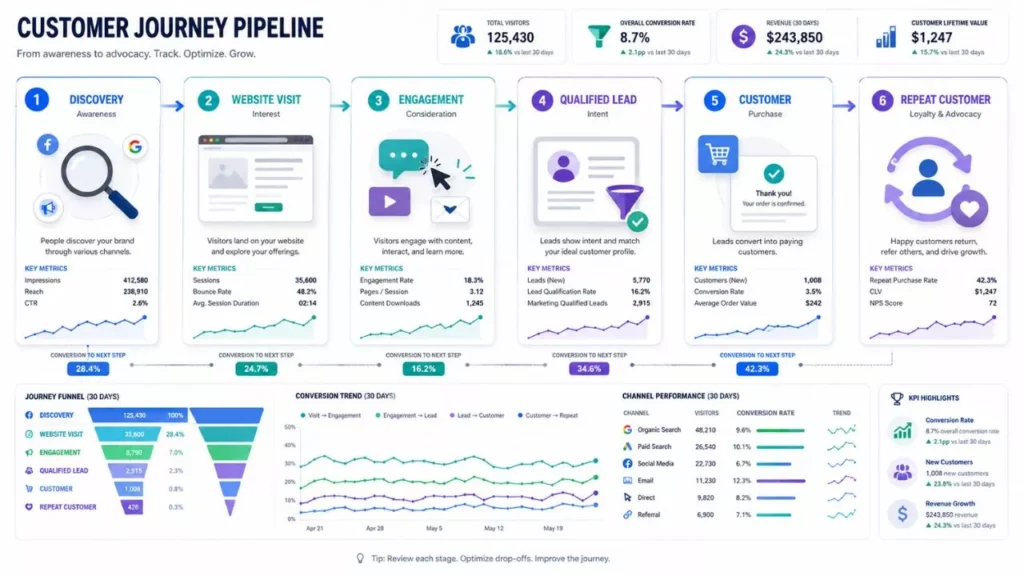
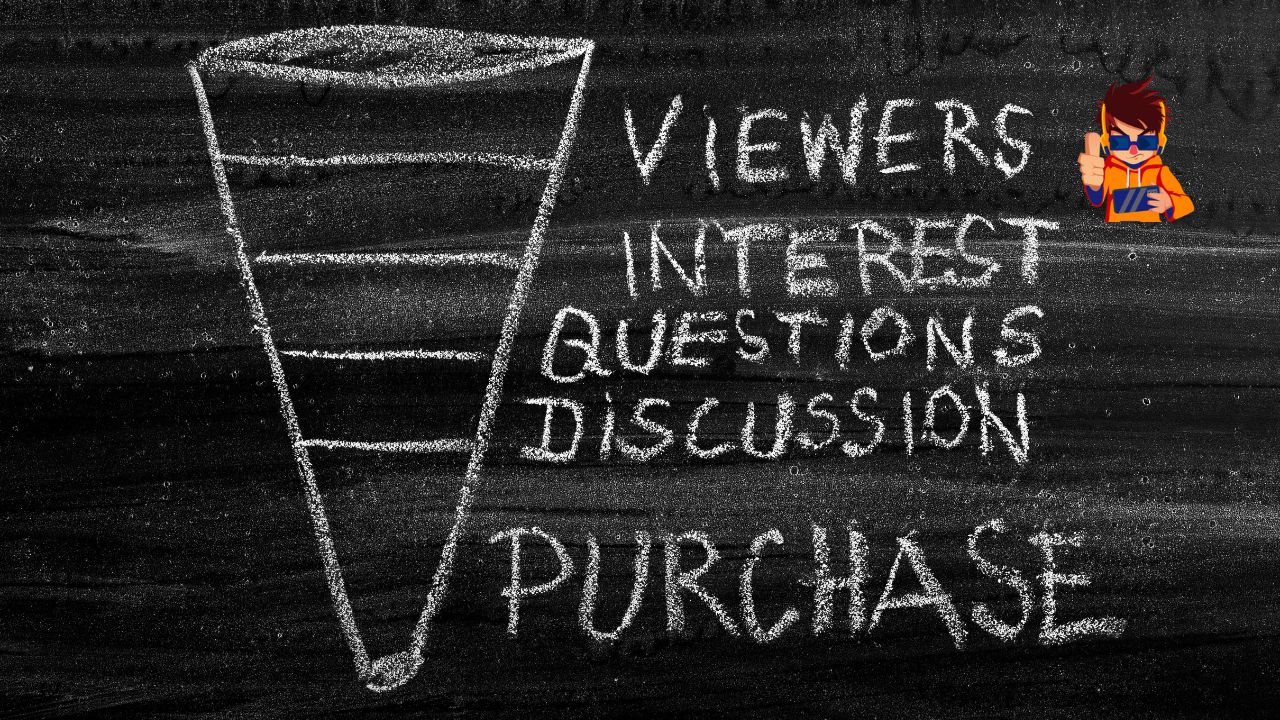
A sales funnel is a visual representation of the customer journey, depicting the stages a prospect goes through from discovering your brand to becoming a paying customer. The funnel shape illustrates how potential customers are gradually filtered through various stages, with the pool of prospects narrowing down at each step.
Sales funnels help businesses understand how to interact with potential customers at each stage of their journey, providing the right content, guidance, and incentives to move them closer to a purchase.
Core stages of a sales funnel:
- Awareness: The top of the funnel, where potential customers first learn about your brand, product, or service.
- Interest: The middle stage, where prospects engage further by consuming content and exploring solutions to their needs.
- Decision: The lower stage, where prospects are evaluating options and considering making a purchase.
- Action: The final stage, where the prospect takes the desired action, such as making a purchase, signing up, or booking a service.
Understanding these stages allows you to tailor your marketing efforts to effectively guide prospects through the funnel and ultimately convert them into loyal customers.
The Stages of a Sales Funnel
Each stage of the sales funnel serves a distinct purpose, helping to build trust, address pain points, and move prospects closer to making a decision. Let’s break down each stage and explore the strategies that can optimize them.
Awareness Stage:
At this stage, potential customers become aware of your brand. They may encounter your business through online ads, social media posts, blog content, or word-of-mouth. The goal is to capture their attention and make a positive first impression.
Interest Stage:
Once prospects are aware of your brand, they enter the interest stage. Here, they begin to engage with your content, explore your offerings, and learn more about how your product or service can solve their problems. This stage is critical for building trust and establishing your brand as an authority.
Decision Stage:
In the decision stage, prospects are evaluating their options and considering whether to choose your solution. This is where you present compelling offers, such as free trials, discounts, or detailed product information, to persuade them to move forward.
Action Stage:
The action stage is where the magic happens. At this point, the prospect takes the desired action, such as completing a purchase or signing up for a service. The key is to make this process as seamless and straightforward as possible, minimizing friction and barriers.
By understanding the customer mindset at each stage, you can design targeted strategies that guide them through the funnel and maximize conversions.
Why Sales Funnels Matter for Your Business
Sales funnels are essential because they provide a structured approach to converting leads into customers. Instead of taking a scattershot approach to marketing, sales funnels allow you to engage with prospects in a strategic, personalized manner that increases the likelihood of conversion.
Key benefits of sales funnels:
- Improved Conversion Rates: By guiding prospects through a logical sequence of interactions, sales funnels increase the chances of converting leads into customers.
- Higher Revenue: Sales funnels provide opportunities for upselling, cross-selling, and offering additional products or services, thereby increasing the total value of each customer.
- Better Customer Understanding: Sales funnels help you gather insights into customer behavior, allowing you to refine your marketing strategy and deliver more relevant content.
- Efficient Lead Management: By segmenting prospects based on their funnel stage, you can deliver the right message to the right people at the right time, enhancing your marketing efficiency.
Sales funnels are not just about driving sales—they’re about creating a smooth, engaging journey that enhances the overall customer experience.
Mapping the Customer Journey
To build an effective sales funnel, it’s crucial to map out the customer journey. Understanding the path your customers take, from initial contact to final purchase, allows you to identify key touchpoints and optimize each stage.
Steps to map the customer journey:
- Identify Entry Points: Determine how prospects typically discover your brand. This could be through organic search, social media, paid ads, or referrals.
- Track Customer Interactions: Use analytics tools to track how prospects interact with your website, content, and emails. This helps you identify which touchpoints are most influential.
- Pinpoint Friction Points: Identify stages where prospects drop off or lose interest, and look for ways to reduce friction and keep them moving forward.
- Define Conversion Goals: Set clear goals for each stage of the funnel, such as lead captures, webinar sign-ups, or completed purchases.
Mapping the customer journey allows you to create a funnel that not only captures leads but also nurtures them effectively, guiding them smoothly toward a purchase.
Building a High-Converting Sales Funnel
Creating a high-converting sales funnel requires careful planning, from attracting leads at the top to closing sales at the bottom. Here’s a step-by-step guide to building a successful sales funnel:
1. Attract Traffic:
The first step is to drive traffic to your funnel. Use a mix of content marketing, SEO, social media, paid ads, and partnerships to attract potential customers. Create valuable content that addresses common questions and pain points, positioning your brand as a helpful resource.
2. Capture Leads:
Once you’ve attracted visitors, the next step is to capture their information. This typically involves offering something of value in exchange for their contact details, such as a free guide, checklist, or webinar. Use lead magnets and optimized landing pages to capture email addresses and build your list.
3. Nurture Prospects:
After capturing leads, it’s essential to nurture them through targeted email sequences, valuable content, and personalized offers. Use automated workflows to deliver timely messages that keep prospects engaged and guide them toward a purchase.
4. Close the Sale:
At the decision stage, focus on presenting compelling offers that address any remaining objections. Use testimonials, case studies, and clear calls-to-action to encourage prospects to make a purchase. Ensure that your checkout process is user-friendly, with multiple payment options and transparent pricing.
5. Follow Up and Upsell:
After the initial sale, the funnel doesn’t end. Use follow-up emails to thank customers, ask for feedback, and introduce upsell or cross-sell opportunities. This not only enhances the customer experience but also increases your overall revenue per customer.
By following these steps, you can create a seamless sales funnel that attracts, nurtures, and converts prospects at every stage.
Crafting Effective Lead Magnets
Lead magnets are valuable resources offered to prospects in exchange for their contact information. They play a critical role at the top of the funnel, helping you capture leads who are genuinely interested in your offerings.
Examples of effective lead magnets:
- Ebooks and Guides: In-depth resources that provide valuable information on a specific topic relevant to your audience.
- Checklists and Templates: Simple, actionable tools that help prospects solve a problem or complete a task.
- Webinars and Video Trainings: Interactive content that allows you to engage with your audience in real time while showcasing your expertise.
- Free Trials or Demos: Offering a taste of your product or service can be a powerful way to capture leads and move them further down the funnel.
A successful lead magnet should address a specific pain point, offer immediate value, and seamlessly guide the prospect into the next stage of your sales funnel.
Nurturing Leads with Email Sequences
Once you’ve captured a lead, nurturing them through a series of targeted emails is essential to keep them engaged and move them closer to a purchase. Email sequences allow you to deliver relevant content at the right time, building trust and providing value.
Types of email sequences:
- Welcome Series: Introduces new leads to your brand, sets expectations, and provides valuable content that addresses their initial interests.
- Educational Series: Offers insights, tips, and resources that educate leads about your product or service and its benefits.
- Product Launch or Sales Series: Focuses on showcasing the features of your product, highlighting benefits, and encouraging leads to take action.
- Re-engagement Series: Targets inactive leads with new offers or content to reignite their interest and bring them back into the funnel.
Well-crafted email sequences can significantly increase conversion rates by maintaining contact with leads and guiding them through the decision-making process.
The Role of Landing Pages
Landing pages are standalone pages designed to capture leads or drive a specific action. Unlike regular web pages, landing pages focus on a single goal, making them a vital element of any sales funnel.
Key elements of a high-converting landing page:
- Clear Headline: Communicates the main benefit or value proposition in a concise and compelling way.
- Engaging Visuals: Use images or videos that resonate with your target audience and enhance the overall appeal of the page.
- Compelling Copy: Persuasive, benefit-focused copy that addresses the prospect’s needs and explains how your offer provides a solution.
- Strong Call-to-Action: A clear, prominent button or link that tells the visitor exactly what to do next (e.g., “Download Now,” “Get Started”).
- Social Proof: Testimonials, reviews, or case studies that build credibility and trust.
Optimizing your landing pages can have a dramatic impact on your sales funnel’s effectiveness, helping you capture more leads and drive conversions.
Optimizing Call-to-Action (CTA) Buttons
CTA buttons are the key drivers of action in your sales funnel, guiding prospects toward the next step. An effective CTA is clear, compelling, and impossible to miss.
Best practices for CTA buttons:
- Use Action-Oriented Language: Words like “Get,” “Start,” “Discover,” and “Join” prompt immediate action.
- Highlight Benefits: Include a benefit that reinforces the value of taking action (e.g., “Get Your Free Guide”).
- Stand Out with Contrast: Use bold colors that contrast with the background to make your CTA button stand out.
- Place Strategically: Position your CTA where it’s easy to find, such as above the fold or at the end of a compelling section.
Testing different CTA styles, placements, and copy can help you find the combination that drives the most conversions.
Personalization in Sales Funnels
Personalization involves tailoring your messaging and offers based on individual customer data, such as behavior, preferences, or demographics. This approach makes your sales funnel more relevant and engaging, leading to higher conversion rates.
Ways to personalize your sales funnel:
- Dynamic Content: Display different content or offers based on the user’s past interactions or interests.
- Behavior-Based Emails: Trigger emails based on specific actions, such as browsing certain pages or abandoning a cart.
- Personalized Recommendations: Suggest products or content based on the prospect’s behavior and preferences.
Personalization creates a more connected and customized experience, making prospects feel valued and understood.
Overcoming Objections
Addressing objections is a critical part of moving prospects through the decision stage of the funnel. Common objections include concerns about price, product fit, or perceived risks.
Strategies to overcome objections:
- Address Concerns Directly: Use your sales copy, FAQs, and emails to address common objections head-on.
- Offer Guarantees: Money-back guarantees, free trials, or satisfaction guarantees can reduce perceived risk.
- Use Social Proof: Highlight testimonials, reviews, or case studies that demonstrate how others have successfully used your product or service.
By proactively addressing objections, you can remove barriers to purchase and drive more conversions.
Upselling and Cross-Selling Opportunities
Upselling and cross-selling involve offering additional or upgraded products to customers at the point of purchase. These strategies not only increase average order value but also enhance the customer experience by providing more comprehensive solutions.
Examples of upselling and cross-selling:
- Upselling: Encouraging customers to purchase a higher-tier product or add premium features.
- Cross-Selling: Suggesting complementary products or services that enhance the main purchase.
Incorporating these tactics into your sales funnel helps maximize revenue and deepens customer relationships.
The Importance of Retargeting
Retargeting allows you to re-engage prospects who have interacted with your brand but haven’t yet converted. By serving targeted ads to these individuals, you can remind them of your offers and encourage them to return to your funnel.
Effective retargeting strategies:
- Dynamic Retargeting Ads: Show personalized ads based on the specific products or pages the user visited.
- Abandoned Cart Emails: Send automated emails to remind customers of items left in their cart, often with an added incentive to complete the purchase.
- Content Retargeting: Serve ads that promote relevant content, guiding prospects back into the funnel.
Retargeting keeps your brand top-of-mind and helps recover lost opportunities, driving more conversions over time.
Measuring Sales Funnel Performance
Analyzing the performance of your sales funnel is essential for identifying areas of improvement and maximizing conversions. Key metrics provide insights into how prospects are moving through the funnel and where adjustments are needed.
Key metrics to track:
- Conversion Rate: Measures the percentage of visitors who take the desired action at each stage of the funnel.
- Cost Per Acquisition (CPA): The cost associated with acquiring a new customer through your funnel.
- Average Order Value (AOV): The average amount spent by customers when they make a purchase.
- Drop-Off Rates: Identifies where prospects are exiting the funnel, helping you pinpoint areas that need optimization.
Regularly reviewing these metrics allows you to make data-driven decisions and refine your funnel for better results.
A/B Testing Funnel Elements
A/B testing is a powerful tool for optimizing your sales funnel. By comparing two versions of a funnel element, such as a landing page, CTA button, or email, you can determine which performs better and make informed adjustments.
Elements to A/B test:
- Headlines and Copy: Test different messaging to see which resonates most with your audience.
- Visuals and Layouts: Experiment with different images, videos, and page layouts to enhance engagement.
- Offers and Incentives: Test various offers, such as discounts or bonuses, to find what drives the highest conversion rates.
Continuous testing ensures that your funnel is always performing at its best, driving more conversions and maximizing revenue.
Common Sales Funnel Mistakes
Even the best sales funnels can encounter obstacles. Avoiding common pitfalls can help you maintain a high-performing funnel that consistently drives results.
Common mistakes to avoid:
- Not Defining Clear Goals: Without specific goals at each stage, it’s difficult to measure success or identify areas for improvement.
- Neglecting Follow-Up: Failing to nurture leads after the initial contact can cause prospects to lose interest and drop off.
- Overcomplicating the Funnel: A funnel that is too complex or has too many steps can overwhelm prospects and reduce conversions.
By recognizing and addressing these mistakes, you can keep your funnel efficient, effective, and focused on driving conversions.
Using Social Proof to Boost Conversions
Social proof—such as testimonials, reviews, and case studies—plays a powerful role in persuading prospects to move forward. By showcasing positive experiences from other customers, social proof builds credibility and trust.
Ways to incorporate social proof:
- Customer Testimonials: Highlight quotes from satisfied customers that speak to the benefits of your product or service.
- Case Studies: Provide in-depth stories that demonstrate how your solution has helped other businesses or individuals.
- Trust Badges and Certifications: Display badges that indicate your brand’s reliability, such as industry awards or security certifications.
Leveraging social proof can significantly increase your sales funnel’s effectiveness by validating your claims and reducing skepticism.
Integrating Sales Funnels with CRM
A Customer Relationship Management (CRM) system is essential for managing leads and tracking their progress through your sales funnel. Integrating your funnel with a CRM allows you to automate tasks, segment leads, and maintain personalized communication.
Benefits of CRM integration:
- Automated Lead Tracking: Automatically track leads’ interactions and assign them to the appropriate funnel stage.
- Enhanced Segmentation: Use CRM data to create more targeted segments and deliver personalized content.
- Streamlined Communication: Manage emails, follow-ups, and reminders from a centralized platform, ensuring no lead slips through the cracks.
CRM integration helps you efficiently manage your funnel and provides the insights needed to continually optimize your approach.
The Power of Automation in Sales Funnels
Automation streamlines your sales funnel by handling repetitive tasks, delivering timely communications, and managing data. This allows you to focus on strategy while your automated systems handle the execution.
Automation opportunities in sales funnels:
- Email Workflows: Set up automated email sequences that nurture leads and guide them through the funnel.
- Lead Scoring: Automatically assign scores to leads based on their actions, helping you prioritize high-potential prospects.
- Automated Reminders: Send reminders to leads who are close to converting but haven’t yet taken action.
Automation not only increases efficiency but also ensures that your funnel operates smoothly, maximizing your chances of converting leads.
Scaling Your Sales Funnel
Once you’ve created a successful sales funnel, the next step is to scale it. Scaling involves expanding your reach, optimizing your processes, and exploring new channels to bring in more leads and drive additional revenue.
Strategies for scaling your sales funnel:
- Expand Traffic Sources: Experiment with new advertising channels, such as influencer marketing, podcasts, or video ads, to reach a broader audience.
- Optimize Conversion Paths: Continuously refine your funnel elements, from landing pages to email sequences, to boost conversion rates.
- Explore New Markets: Tailor your funnel to cater to different customer segments or expand into new geographic regions.
Scaling your funnel allows you to increase your business’s impact and grow revenue without significantly increasing costs.
The Role of Content Marketing in Sales Funnels
Content marketing plays a vital role in driving traffic to your sales funnel and guiding prospects through the stages. High-quality content educates, engages, and nurtures leads, helping them make informed decisions.
Content types that support sales funnels:
- Blog Posts and Articles: Attract traffic at the awareness stage and provide valuable information that establishes your expertise.
- Videos and Webinars: Offer in-depth insights and build trust with prospects who are further along in the funnel.
- Case Studies and Whitepapers: Provide detailed evidence of your product’s value, helping to persuade prospects in the decision stage.
Aligning your content strategy with your sales funnel ensures that you’re delivering the right message at every touchpoint, driving prospects closer to conversion.
FAQs About Sales Funnels
What is a sales funnel, and why is it important?
A sales funnel is a strategic framework that guides prospects through a defined journey from awareness to purchase. It’s essential because it helps businesses systematically nurture leads, address objections, and drive conversions.
How can I improve my sales funnel’s conversion rates?
To improve conversion rates, focus on optimizing each stage of the funnel, from creating compelling lead magnets to refining CTAs, personalizing content, and continuously testing and adjusting elements based on performance data.
What is the difference between a lead magnet and a CTA?
A lead magnet is a valuable resource offered to prospects in exchange for their contact information, while a CTA (Call-to-Action) is a prompt that encourages prospects to take the next step, such as downloading the lead magnet or making a purchase.
How does automation benefit sales funnels?
Automation streamlines processes, such as sending follow-up emails, scoring leads, and managing data, which helps maintain momentum in the funnel and ensures a consistent and timely customer experience.
What metrics should I track to measure my sales funnel’s performance?
Key metrics include conversion rate, cost per acquisition (CPA), average order value (AOV), and drop-off rates at each stage of the funnel. These metrics help you identify strengths and areas for improvement.
How can I scale my sales funnel?
To scale your sales funnel, explore new traffic sources, optimize existing elements, expand into new markets, and continuously refine your approach through data-driven insights and A/B testing.
Future Trends in Sales Funnels
The world of sales funnels is constantly evolving, with new technologies and strategies emerging that can help businesses drive conversions and maximize revenue. Staying ahead of these trends can give you a competitive advantage.
Emerging trends in sales funnels:
- AI-Powered Funnels: Artificial intelligence is increasingly being used to personalize content, predict customer behavior, and optimize funnel performance in real-time.
- Interactive Funnels: Incorporating interactive elements, such as quizzes, surveys, and dynamic content, can increase engagement and drive deeper customer insights.
- Omni-Channel Integration: Future funnels will increasingly integrate multiple channels, including email, social media, chatbots, and SMS, creating a seamless and connected customer experience.
By embracing these trends, you can ensure that your sales funnel remains cutting-edge, relevant, and highly effective.
Conclusion
Mastering sales funnels is key to driving conversions and maximizing revenue for your business. By understanding the stages of the funnel, mapping the customer journey, and implementing strategies like personalization, automation, and retargeting, you can create a powerful system that guides prospects from awareness to action. Continuously testing, measuring, and refining your funnel will help you stay ahead of the competition and keep your revenue growing. Embrace the power of sales funnels to turn prospects into loyal customers and take your business to new heights.