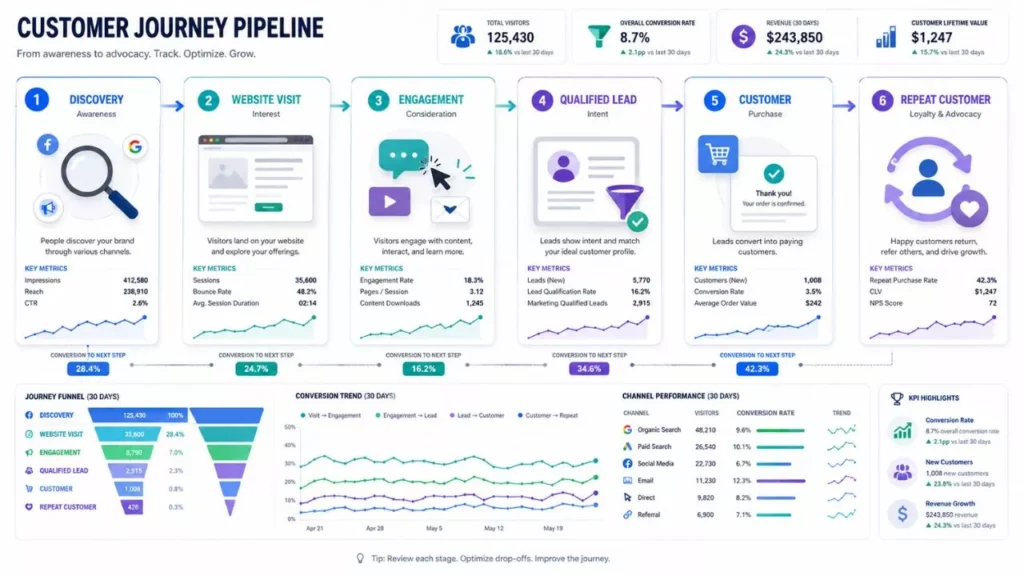
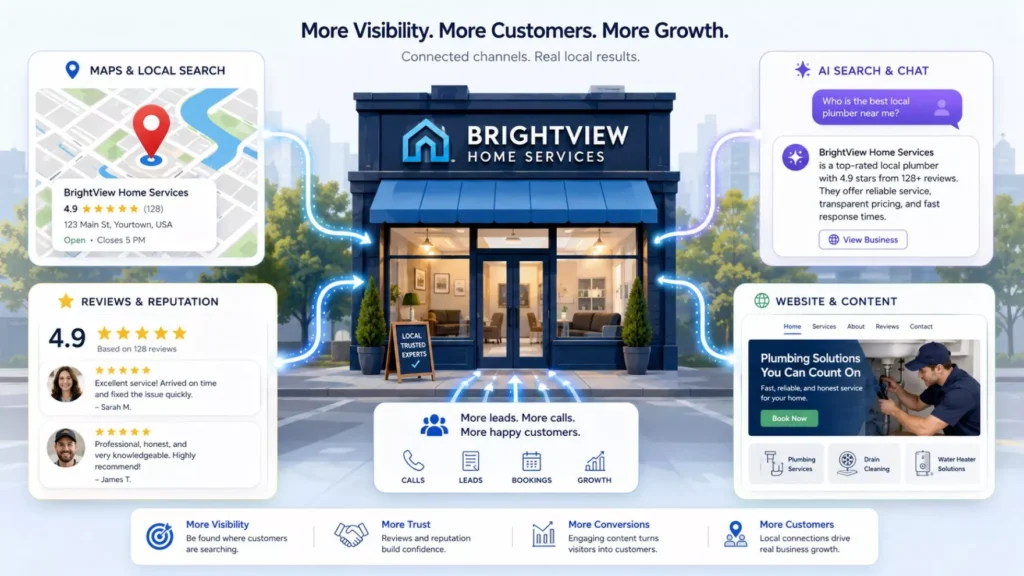
Digital marketing is constantly evolving, and staying ahead of the latest trends is essential for businesses aiming to maintain a competitive edge. As we enter 2024, new technologies, changing consumer behaviors, and innovative marketing strategies are reshaping the landscape. This article will explore the top trends in digital marketing that will dominate in 2024, offering insights on how you can adapt your strategies to stay ahead of the competition.
Why Staying Updated on Marketing Trends Matters
In the fast-paced world of digital marketing, keeping up with trends is not just about being trendy; it’s about survival and growth. Consumers’ expectations are constantly changing, and new technologies are continuously emerging. Marketers who fail to adapt risk falling behind, losing relevance, and missing out on valuable opportunities.
Key reasons to stay updated on digital marketing trends:
- Enhanced Customer Engagement: Leveraging the latest trends allows you to connect with your audience in innovative and meaningful ways.
- Competitive Advantage: By adopting cutting-edge strategies, you can differentiate your brand and outpace competitors who are slower to adapt.
- Improved ROI: Keeping up with trends ensures you invest in the right channels and tactics, maximizing the return on your marketing spend.
- Future-Proofing Your Business: Understanding where the industry is headed helps you anticipate changes and prepare for the future, making your business more resilient.
In 2024, staying informed and agile will be more important than ever as new trends redefine the digital marketing landscape.
AI and Machine Learning in Marketing
Artificial Intelligence (AI) and Machine Learning (ML) are no longer buzzwords—they’re at the core of modern digital marketing. In 2024, these technologies will continue to revolutionize how brands interact with their audiences, automate processes, and optimize campaigns.
Ways AI is transforming digital marketing:
- Personalization at Scale: AI analyzes vast amounts of data to deliver highly personalized content and product recommendations, enhancing customer experience and engagement.
- Chatbots and Virtual Assistants: AI-powered chatbots provide real-time customer support, answer queries, and guide users through the sales funnel, improving customer satisfaction and reducing workload.
- Predictive Analytics: Machine learning algorithms forecast consumer behavior, allowing marketers to tailor their strategies to anticipated needs and trends.
- Content Creation and Optimization: AI tools assist in generating high-quality content, optimizing headlines, and even writing social media posts based on what’s likely to resonate with the audience.
Brands that harness AI in 2024 will have a significant edge, enabling them to deliver personalized, efficient, and impactful marketing experiences.
Voice Search Optimization
Voice search continues to gain traction as smart speakers and voice assistants like Alexa, Google Assistant, and Siri become commonplace. In 2024, optimizing for voice search will be critical as consumers increasingly use voice commands to find information, make purchases, and interact with brands.
How to optimize for voice search:
- Focus on Conversational Keywords: Unlike text search, voice search queries are longer and more conversational. Optimize your content for natural language and question-based keywords.
- Enhance Local SEO: Many voice searches are local, such as “find a coffee shop near me.” Ensure your local SEO is strong, with updated business listings and location-based keywords.
- Provide Direct Answers: Voice assistants often pull answers from featured snippets. Structuring your content to directly answer common questions can improve your chances of being selected.
Adapting your SEO strategy to accommodate voice search is essential for capturing this growing audience segment and maintaining visibility.
Personalization and Hyper-Personalization
Personalization isn’t new, but in 2024, it’s all about hyper-personalization—delivering highly targeted and individualized experiences based on real-time data. Consumers expect brands to understand their preferences and provide relevant content, offers, and recommendations.
Strategies for effective personalization:
- Behavioral Data Analysis: Use data from past purchases, browsing history, and interaction patterns to tailor your marketing messages.
- Dynamic Content: Implement dynamic content blocks that change based on the viewer’s profile, ensuring each user sees content most relevant to them.
- Personalized Email Campaigns: Go beyond using the subscriber’s name—segment your list based on behavior and preferences to send highly relevant emails that drive engagement.
Hyper-personalization enhances customer loyalty and drives higher conversion rates by making every interaction feel more relevant and engaging.
Video Content Dominance
Video content continues to dominate digital marketing, with short-form videos leading the charge in 2024. Platforms like TikTok, Instagram Reels, and YouTube Shorts are driving the trend, offering brands a powerful way to capture attention and engage with audiences.
Key trends in video marketing:
- Short-Form Videos: Bite-sized content, typically under 60 seconds, is perfect for capturing attention quickly and delivering concise, impactful messages.
- Live Streaming: Live video allows brands to connect with audiences in real time, offering a more authentic and interactive experience.
- Shoppable Videos: These videos incorporate clickable links that allow viewers to purchase directly from the content, merging entertainment and e-commerce.
Investing in video content that is authentic, engaging, and optimized for mobile is crucial for reaching today’s digitally-savvy consumers.
Influencer Marketing Evolution
Influencer marketing continues to evolve, shifting towards micro-influencers and niche content creators who offer high engagement and authenticity. In 2024, brands will increasingly prioritize partnerships with influencers who have dedicated, loyal followings over those with mass appeal.
Trends in influencer marketing:
- Micro and Nano Influencers: These influencers have smaller, highly engaged audiences that trust their recommendations, often leading to better ROI for brands.
- Long-Term Partnerships: Brands are moving towards building deeper, ongoing relationships with influencers rather than one-off campaigns.
- Performance-Based Compensation: Payment models are shifting towards performance-based structures, where influencers earn based on the results they generate, such as clicks, sales, or leads.
To succeed with influencer marketing in 2024, brands must focus on authentic collaborations that resonate with targeted audiences.
The Growing Importance of User-Generated Content
User-generated content (UGC) is one of the most authentic forms of marketing, and its influence is only set to grow in 2024. UGC includes photos, videos, reviews, and testimonials created by customers, showcasing real-life experiences with your brand.
Benefits of leveraging UGC:
- Builds Trust and Credibility: Consumers are more likely to trust content created by other users than traditional brand advertising.
- Enhances Engagement: UGC encourages interaction, as people love seeing their content featured by brands.
- Cost-Effective Content Creation: UGC provides a steady stream of content without the need for extensive production costs.
Brands can encourage UGC through social media campaigns, contests, and by simply asking customers to share their experiences, amplifying their marketing efforts.
Data Privacy and First-Party Data
With increasing concerns about data privacy and stricter regulations, marketers must shift their focus to first-party data—information collected directly from customers with their consent. This data is not only more reliable but also aligns with new privacy standards.
How to leverage first-party data:
- Create Value Exchanges: Offer value, such as exclusive content or discounts, in exchange for customer data to build a comprehensive first-party database.
- Use CRM Tools: Customer Relationship Management tools help you manage, segment, and utilize first-party data effectively for personalized marketing.
- Comply with Privacy Laws: Ensure your data collection practices comply with GDPR, CCPA, and other relevant regulations to maintain customer trust.
By focusing on first-party data, brands can build stronger, more personalized relationships while navigating the evolving landscape of data privacy.
Conversational Marketing
Conversational marketing focuses on real-time, one-to-one connections between marketers and customers through chatbots, live chat, and messaging apps. It’s all about creating a personalized, instant communication experience that guides users through the sales funnel quickly and efficiently.
Effective conversational marketing strategies:
- AI-Powered Chatbots: Use chatbots to answer FAQs, provide product recommendations, and assist with purchases 24/7.
- Live Chat Support: Human chat agents can handle more complex inquiries, offering personalized assistance that builds trust.
- Messaging Apps: Engage customers directly on platforms like WhatsApp, Facebook Messenger, and Instagram Direct, providing a convenient and familiar communication channel.
Conversational marketing shortens the sales cycle and enhances customer satisfaction by providing immediate, tailored responses.
Social Commerce
Social commerce—the integration of e-commerce and social media—continues to grow as platforms like Instagram, Facebook, TikTok, and Pinterest expand their shopping capabilities. In 2024, social commerce will become even more prominent as consumers increasingly shop directly through social media.
Social commerce strategies:
- Shoppable Posts: Create posts that allow users to purchase directly within the platform, reducing friction and enhancing the buying experience.
- Livestream Shopping: Host live shopping events where influencers or brand representatives showcase products, answer questions, and offer exclusive discounts.
- Social Storefronts: Set up fully integrated shops on social media profiles, turning your pages into mini e-commerce sites.
Social commerce bridges the gap between browsing and buying, creating a seamless, engaging shopping experience that drives sales.
Augmented Reality (AR) and Virtual Reality (VR)
AR and VR are transforming the way consumers interact with brands, offering immersive experiences that enhance engagement and drive conversions. From virtual try-ons to interactive brand experiences, AR and VR are set to play a bigger role in digital marketing in 2024.
Applications of AR and VR in marketing:
- Virtual Try-Ons: Allow customers to visualize products, such as clothing, makeup, or furniture, in their real-world environment before purchasing.
- AR Filters and Effects: Create branded AR filters for platforms like Instagram and Snapchat to engage users in fun, interactive ways.
- Virtual Showrooms: Offer virtual tours of products or environments, providing a unique shopping experience that sets your brand apart.
Investing in AR and VR technologies can help brands deliver memorable experiences that resonate with tech-savvy consumers.
Content Marketing 2.0
Content marketing continues to be a cornerstone of digital strategy, but in 2024, it’s all about value-driven, interactive, and long-form content. Consumers are seeking deeper, more meaningful connections with brands, and content marketing must evolve to meet these expectations.
Trends in content marketing:
- Interactive Content: Quizzes, polls, and interactive infographics capture attention and engage users on a deeper level.
- Long-Form Content: In-depth articles, guides, and whitepapers provide valuable insights and establish your brand as an authority in your industry.
- Content Hubs: Centralized repositories of related content that help users explore topics in greater depth, enhancing their experience on your website.
Content marketing in 2024 is about creating value at every touchpoint, positioning your brand as a trusted resource that goes beyond the basics.
The Rise of Podcasting and Audio Content
Audio content is booming, with podcasts, audio articles, and voice-activated ads gaining popularity. In 2024, leveraging audio can help brands reach busy, on-the-go consumers who prefer listening over reading.
How to capitalize on the audio trend:
- Start a Branded Podcast: Create a podcast that provides value to your audience, whether through industry insights, expert interviews, or storytelling.
- Invest in Audio Ads: Place ads on popular podcasts that align with your target audience or explore voice-activated ad formats on smart speakers.
- Repurpose Content: Turn blog posts, guides, and articles into audio formats to reach a wider audience and provide content in a more accessible form.
Audio content allows brands to connect with audiences in new ways, offering flexibility and accessibility that traditional formats can’t match.
Email Marketing’s New Era
Email marketing is far from dead—in fact, it’s evolving into a more personalized, interactive, and automated channel. In 2024, successful email campaigns will focus on creating deeper connections with subscribers through advanced segmentation and innovative content.
Trends in email marketing:
- Interactive Emails: Incorporate elements like surveys, quizzes, and interactive graphics that encourage recipients to engage directly within the email.
- Behavioral Targeting: Use data-driven insights to send emails based on specific actions, such as browsing a product or abandoning a cart.
- Personalized Video Content: Include personalized video messages in emails to capture attention and make your communication feel more human.
Enhanced personalization and interactivity will set email marketing apart, making it a powerful tool for driving engagement and conversions.
Interactive Content
Interactive content, such as quizzes, polls, and gamified experiences, will be a major trend in 2024. This type of content encourages active participation, making it more engaging and memorable than static content.
Benefits of interactive content:
- Boosts Engagement: Interactive elements capture attention and keep users engaged longer, enhancing their overall experience with your brand.
- Generates Valuable Insights: Collect data on user preferences and behavior, which can inform future marketing strategies.
- Encourages Sharing: Interactive content is highly shareable, helping to expand your reach organically.
Incorporating interactive content into your digital strategy can help you stand out in a crowded market and create more meaningful connections with your audience.
Sustainability and Ethical Marketing
Consumers are increasingly conscious of the ethical and environmental impact of the brands they support. In 2024, businesses that prioritize sustainability, transparency, and social responsibility will gain favor with eco-minded consumers.
How to integrate sustainability into your marketing:
- Highlight Green Initiatives: Showcase your brand’s commitment to sustainability through eco-friendly practices, ethical sourcing, and charitable contributions.
- Transparent Communication: Be open about your processes, challenges, and progress towards sustainability goals.
- Cause-Driven Campaigns: Partner with causes that align with your brand values, creating campaigns that resonate with socially conscious audiences.
Ethical marketing not only builds trust but also sets your brand apart as a leader in responsible business practices.
Shoppable Posts and Livestream Shopping
Social media is becoming a direct sales channel, with shoppable posts and livestream shopping emerging as major trends in 2024. These formats allow consumers to shop directly within their favorite social platforms, blending entertainment with convenience.
Key strategies for shoppable content:
- Enable Shoppable Posts: Tag products in your social media posts, allowing users to view details and make purchases without leaving the platform.
- Host Livestream Shopping Events: Engage viewers in real-time, showcasing products, answering questions, and offering exclusive deals.
- Collaborate with Influencers: Leverage influencer partnerships to drive traffic to your shoppable content and increase conversions.
By integrating shopping into social media, brands can provide a seamless, engaging buying experience that meets consumers where they already spend their time.
Multi-Channel Marketing Integration
Consumers today engage with brands across multiple touchpoints, from social media and email to in-store and online. Multi-channel marketing integration ensures a consistent, cohesive experience across all platforms, enhancing engagement and driving conversions.
Strategies for effective multi-channel integration:
- Unified Messaging: Ensure your brand voice, visuals, and messaging are consistent across all channels, creating a seamless customer journey.
- Cross-Channel Analytics: Use analytics to track customer interactions across platforms, gaining a comprehensive view of their behavior.
- Integrated Campaigns: Design campaigns that leverage multiple channels, such as using social media ads to drive traffic to an email signup, then nurturing leads through email marketing.
Multi-channel integration creates a connected, personalized experience that builds trust and loyalty with your audience.
Predictive Analytics and Big Data
Predictive analytics and big data are transforming how marketers approach decision-making. In 2024, data-driven insights will enable brands to anticipate consumer needs, personalize experiences, and optimize strategies for maximum impact.
Applications of predictive analytics in marketing:
- Customer Segmentation: Use data to identify high-value customer segments and tailor marketing efforts accordingly.
- Campaign Optimization: Analyze past campaign performance to predict which tactics will drive the best results in future efforts.
- Product Recommendations: Leverage data to suggest products that align with individual customer preferences, boosting upsells and cross-sells.
Harnessing the power of data allows brands to make smarter, faster decisions that drive better outcomes.
Enhanced Customer Experience (CX)
Customer experience is at the heart of digital marketing, and in 2024, businesses will continue to prioritize CX as a key differentiator. Delivering a seamless, personalized, and responsive experience across all touchpoints is essential for building loyalty and driving growth.
Strategies for enhancing customer experience:
- Personalized Interactions: Use customer data to create tailored experiences that meet individual needs and preferences.
- Omni-Channel Support: Provide consistent, high-quality support across all channels, from chat and email to social media and phone.
- Proactive Engagement: Anticipate customer needs and offer solutions before they even ask, creating a frictionless experience.
Focusing on CX not only improves satisfaction but also sets your brand apart in an increasingly competitive market.
Voice and Visual Search
Voice and visual search are reshaping how consumers find information online, offering faster, more intuitive ways to interact with content. In 2024, adapting your digital strategy to accommodate these emerging search methods will be crucial.
Optimizing for voice and visual search:
- Voice Search Optimization: Optimize content for conversational queries and question-based keywords that match how people speak.
- Visual Search Tools: Use platforms like Pinterest Lens and Google Lens to make your images searchable, helping consumers discover products through photos.
- Structured Data: Implement structured data markup to help search engines understand and display your content accurately in voice and visual search results.
Voice and visual search offer new opportunities to connect with consumers in a more interactive and engaging way.
The Impact of 5G on Marketing
The rollout of 5G technology promises faster internet speeds, lower latency, and enhanced connectivity, opening up new possibilities for digital marketing. As 5G becomes more widespread in 2024, it will enable richer, more immersive experiences.
How 5G will impact digital marketing:
- Enhanced Mobile Experiences: Faster speeds will improve the quality of mobile video, AR, and VR experiences, making them more accessible and engaging.
- Real-Time Interactions: 5G will support instant, high-quality streaming and real-time engagement, such as live events and video calls.
- Smart City Advertising: The increased connectivity of 5G will drive innovations in smart city advertising, such as dynamic digital billboards that change based on real-time data.
Embracing 5G technology will allow brands to deliver faster, more dynamic experiences that captivate and convert.
Future of SEO: Beyond Keywords
SEO is evolving beyond traditional keyword optimization, with a greater focus on understanding user intent, delivering high-quality content, and adapting to algorithm changes driven by AI.
Key SEO trends for 2024:
- Semantic Search: Search engines are becoming better at understanding context and the relationships between terms, making it essential to create content that addresses broad topics rather than just targeting keywords.
- AI-Driven SEO: Tools powered by AI can help identify new opportunities, optimize content, and predict changes in search behavior.
- User Experience as a Ranking Factor: Google’s Core Web Vitals emphasize the importance of page load speed, interactivity, and visual stability, making UX an integral part of SEO.
SEO in 2024 is about aligning your content strategy with the evolving needs of users and search engines, ensuring that your website remains visible and valuable.
FAQs About Digital Marketing Trends
What are the biggest digital marketing trends for 2024?
Key trends include AI and machine learning, voice and visual search optimization, hyper-personalization, video content, and the growing importance of data privacy.
How can AI improve digital marketing?
AI can enhance personalization, automate customer interactions, optimize content creation, and provide predictive insights that guide marketing strategies.
Why is personalization so important in 2024?
Consumers expect tailored experiences that meet their individual needs. Personalization increases engagement, loyalty, and conversion rates by making marketing more relevant.
What role does video play in modern digital marketing?
Video remains one of the most engaging content formats, with short-form videos, live streams, and shoppable videos driving high levels of viewer interaction and sales.
How is data privacy impacting digital marketing strategies?
With stricter regulations, brands must prioritize first-party data collection and transparent practices to maintain customer trust and comply with laws like GDPR and CCPA.
What’s the future of SEO in 2024?
SEO is moving beyond keywords, focusing on user intent, semantic search, and factors like page experience and content quality as key drivers of search visibility.
Conclusion
The digital marketing landscape in 2024 is shaped by rapid technological advancements, shifting consumer behaviors, and an increased emphasis on personalization and privacy. By staying informed and adapting your strategies to incorporate these top trends, you can stay ahead of the competition and create impactful marketing campaigns that resonate with your audience. Embrace these trends, leverage new tools, and continually refine your approach to ensure your brand remains at the forefront of digital marketing innovation.