In today’s fast-paced, digital-first world, consumers are more informed, connected, and selective than ever. The rise of e-commerce, social media, and mobile technology has not only transformed how people shop and engage with brands but has also elevated their expectations. Modern consumers want more than just good products and services—they demand personalized experiences that cater to their unique preferences, needs, and behaviors.
Personalization, the art of tailoring products, services, and interactions to individual customers, has emerged as a critical strategy for businesses to differentiate themselves, foster customer loyalty, and drive long-term growth. This article explores why personalization is the key to winning over modern consumers, how businesses can implement it effectively, and what benefits it brings to both companies and their customers.
The Evolution of Consumer Expectations
Consumer expectations have evolved dramatically in recent years, largely due to the rapid advancement of digital technology. With a wealth of information and options at their fingertips, modern consumers have become more discerning, empowered, and impatient.
Key changes in modern consumer behavior:
- Access to Information: Today’s consumers have instant access to reviews, product comparisons, and competitor pricing. This has led to greater demand for transparency, value, and convenience.
- Desire for Personalized Experiences: Consumers are no longer satisfied with generic marketing messages or one-size-fits-all products. They expect businesses to understand their individual preferences and tailor offerings accordingly.
- Increased Focus on Convenience: Modern consumers value efficiency. They want seamless, frictionless experiences—whether shopping online or interacting with customer service.
- Brand Loyalty Based on Experience: Brand loyalty is no longer guaranteed by quality or price alone. Instead, consumers are more likely to stick with brands that offer personalized, meaningful experiences that resonate with their personal values and lifestyles.
To win over these discerning consumers, businesses must adapt by delivering highly personalized experiences that meet or exceed these evolving expectations.
What is Personalization in Marketing?
Personalization in marketing involves using customer data to tailor content, product recommendations, offers, and overall brand experiences to the individual. It leverages technology and data analytics to understand each customer’s preferences, behaviors, and needs, enabling businesses to engage with consumers in a more relevant and meaningful way.
Examples of personalization in marketing:
- Personalized Email Campaigns: Sending tailored emails that include personalized subject lines, product recommendations based on past purchases, or special discounts for birthdays.
- Customized Website Experiences: Displaying content, products, or services that are relevant to a visitor’s interests or location, such as showing local events or items that match their previous browsing history.
- Dynamic Product Recommendations: Suggesting products to customers based on their browsing behavior, previous purchases, or demographic information.
- Targeted Advertising: Using data to deliver personalized ads that match the user’s online behavior or interests, ensuring the ad content is relevant and engaging.
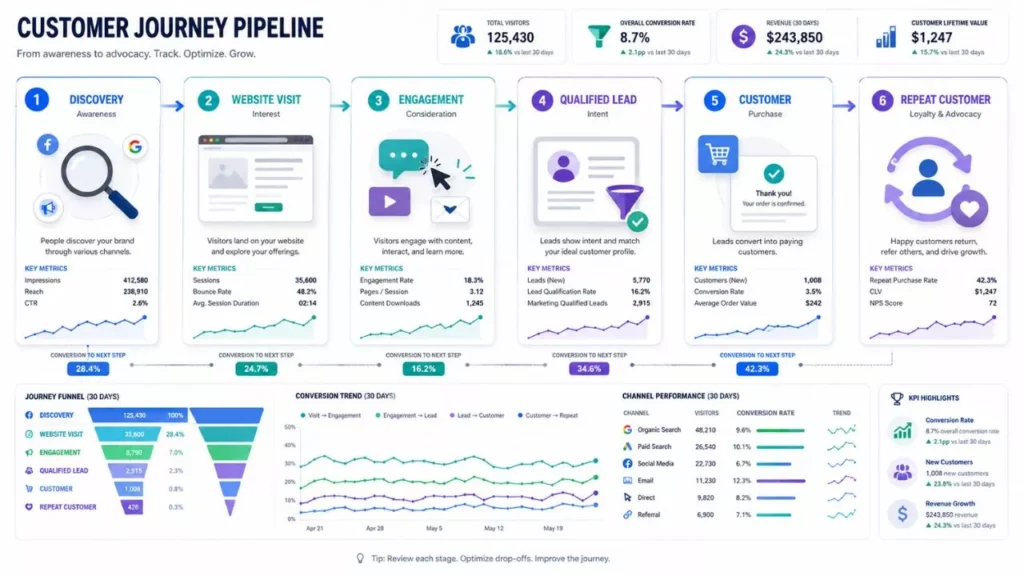
In today’s highly competitive market, personalization goes beyond simple product suggestions—it’s about creating a cohesive, customized experience across all touchpoints of the customer journey.
Why Personalization Matters to Modern Consumers
Personalization is not just a trend—it’s a consumer expectation. Research consistently shows that customers are more likely to engage with and remain loyal to brands that offer personalized experiences.
Key reasons why personalization is essential:
1. Consumers Expect It
Modern consumers are accustomed to personalized recommendations from major platforms like Amazon, Netflix, and Spotify. These companies have set the standard for personalized experiences, and consumers now expect similar levels of customization from other brands.
According to a study by Epsilon, 80% of consumers are more likely to make a purchase from a brand that offers personalized experiences. Consumers value brands that take the time to understand their preferences and tailor their offerings accordingly.
2. Personalization Enhances Customer Experience
The customer experience (CX) has become a critical factor in brand loyalty and retention. Personalized marketing elevates the customer experience by making interactions more relevant, timely, and meaningful. Customers feel valued when businesses take their needs into account, leading to higher satisfaction and loyalty.
For example:
- A clothing retailer that recommends items based on past purchases and style preferences creates a more enjoyable shopping experience.
- A streaming service that suggests movies or TV shows based on previous viewing habits helps customers discover content they love.
3. Personalization Drives Engagement
Personalized content drives higher engagement because it speaks directly to the individual. When consumers receive personalized messages or offers, they are more likely to open emails, click on ads, and take action. Generic, mass-marketing messages, on the other hand, are often ignored.
Personalized marketing benefits include:
- Higher Open Rates: Personalized subject lines in emails can increase open rates by 26%, according to Campaign Monitor.
- Improved Click-Through Rates: Personalized email campaigns generate higher click-through rates and engagement compared to non-personalized ones.
- Increased Conversions: Consumers are more likely to convert when the content or offer is directly relevant to their interests.
4. Builds Customer Loyalty and Retention
Personalization fosters a sense of loyalty by creating deeper, more meaningful connections between consumers and brands. When customers feel that a brand understands their needs and preferences, they are more likely to continue engaging with that brand over time. Personalized experiences build trust, leading to long-term customer relationships.
In fact, Accenture reports that 91% of consumers are more likely to shop with brands that provide relevant offers and recommendations. Personalization not only increases the likelihood of repeat business but also helps reduce customer churn.
5. Increases Customer Lifetime Value
By offering personalized experiences, businesses can increase customer lifetime value (CLV). When customers feel valued and understood, they are more likely to make repeat purchases and spend more with a brand. Tailored product recommendations, exclusive offers, and personalized loyalty programs encourage higher spending and long-term customer engagement.
Personalization in Practice: Key Strategies for Success
While personalization is essential, it’s not always easy to implement effectively. Businesses must leverage data, technology, and creativity to craft personalized experiences that resonate with their audience. Here are some key strategies for implementing personalization in marketing:
1. Leverage Data and Analytics
Personalization begins with data. To deliver personalized experiences, businesses need to collect and analyze customer data, such as purchase history, browsing behavior, preferences, and demographic information. The more data a business has, the more effectively it can tailor its marketing efforts.
How to leverage data for personalization:
- First-Party Data: Collect data directly from customers through website interactions, email sign-ups, and purchase history.
- Third-Party Data: Use third-party data to enrich customer profiles and better understand behavior across different platforms.
- Behavioral Data: Track how customers interact with your website or app to provide real-time personalized recommendations.
Data analytics tools can help businesses segment their audience, identify patterns, and make data-driven decisions about how to personalize their messaging and offers.
2. Implement Dynamic Content
Dynamic content allows businesses to change the content a customer sees based on their preferences, behavior, or demographic information. This could be as simple as showing different product recommendations on a homepage or tailoring the messaging in an email based on the customer’s past interactions.
Examples of dynamic content:
- Personalized Web Pages: Show different products or content based on the customer’s location, interests, or previous behavior.
- Tailored Emails: Create email campaigns that change dynamically based on user preferences or past purchases.
- Targeted Ads: Deliver personalized ads that are triggered by user behavior, such as items they have viewed or abandoned in their cart.
Dynamic content makes the customer journey feel more relevant and engaging, increasing the likelihood of conversion.
3. Create Personalized Product Recommendations
Product recommendations are a powerful way to drive engagement and sales. By analyzing a customer’s past behavior, businesses can recommend products that are most likely to appeal to them, leading to a higher likelihood of purchase.
How to implement product recommendations:
- On-Site Recommendations: Display product recommendations based on the user’s browsing history or previous purchases.
- Email Recommendations: Send personalized emails that suggest products similar to those the customer has viewed or purchased.
- Cross-Sell and Upsell: Use product recommendations to cross-sell complementary items or upsell higher-end versions of products the customer has already shown interest in.
Personalized product recommendations not only increase sales but also enhance the shopping experience by helping customers discover relevant products.
4. Use AI and Machine Learning for Personalization at Scale
Artificial intelligence (AI) and machine learning are game-changers for businesses looking to personalize at scale. These technologies can analyze vast amounts of data in real-time, allowing businesses to deliver personalized experiences to thousands (or even millions) of customers.
AI-driven personalization tactics:
- Predictive Analytics: Use machine learning to predict what products or services a customer is most likely to be interested in based on their past behavior.
- Chatbots: Implement AI-powered chatbots to provide personalized customer support and product recommendations in real-time.
- Real-Time Personalization: Leverage AI to dynamically personalize the customer experience based on real-time data, such as recent browsing activity or purchase behavior.
By using AI and machine learning, businesses can scale their personalization efforts, ensuring that every customer receives a relevant, tailored experience.
5. Focus on Mobile Personalization
With the rise of mobile shopping and browsing, it’s essential to prioritize mobile personalization. Mobile users have high expectations for convenience and speed, and businesses must adapt their personalization strategies to meet these needs.
Mobile personalization strategies:
- Location-Based Offers: Use geolocation data to send personalized offers or notifications based on the customer’s current location.
- In-App Personalization: Provide personalized product recommendations or content within a mobile app based on the user’s activity or preferences.
- Push Notifications: Send personalized push notifications that offer relevant promotions, updates, or reminders.
By optimizing for mobile and creating personalized experiences that cater to on-the-go consumers, businesses can drive higher engagement and conversions.
Benefits of Personalization for Businesses
Personalization isn’t just beneficial for consumers—it’s a win-win for businesses as well. By implementing personalized marketing strategies, companies can enjoy a range of benefits that ultimately drive growth and profitability.
1. Higher Conversion Rates
Personalized content, product recommendations, and offers are more likely to resonate with customers, leading to higher conversion rates. When consumers receive content that is directly relevant to their needs, they are more likely to take action, whether that’s making a purchase, signing up for a service, or engaging with a brand.
2. Increased Customer Loyalty
Personalized experiences build trust and deepen the relationship between the customer and the brand. When customers feel valued and understood, they are more likely to remain loyal to the brand over time. This increased loyalty translates into repeat purchases, higher customer lifetime value, and reduced churn.
3. Improved Customer Engagement
Personalized marketing drives higher engagement across all channels. Customers are more likely to open emails, click on ads, and interact with content that speaks directly to their preferences and needs. Higher engagement ultimately leads to more opportunities for conversion and sales.
4. Enhanced Customer Experience
Personalization enhances the overall customer experience by making interactions with a brand more relevant, enjoyable, and efficient. When businesses provide tailored experiences, customers are more likely to have positive associations with the brand, leading to increased satisfaction and advocacy.
5. Competitive Advantage
In a crowded market, personalization can be a key differentiator. Brands that prioritize personalization can stand out from the competition by offering superior customer experiences. This competitive advantage not only helps attract new customers but also fosters stronger relationships with existing ones.
Conclusion
In the digital age, personalization is no longer optional—it’s a necessity for businesses looking to win over modern consumers. By delivering tailored experiences that cater to individual preferences and needs, businesses can create stronger connections with their customers, drive higher engagement, and foster long-term loyalty. As technology continues to evolve, the ability to personalize at scale will become even more critical, enabling businesses to thrive in an increasingly competitive marketplace. For companies willing to invest in personalization, the rewards are clear: happier customers, increased revenue, and sustainable growth.