In the competitive world of digital marketing, businesses often debate the merits of Search Engine Optimization (SEO) and Search Engine Marketing (SEM). While both aim to increase visibility and drive traffic, they employ different strategies to achieve their goals. The question of which strategy yields better long-term results depends on factors like budget, goals, industry, and target audience. This article explores the key differences, advantages, and disadvantages of SEO and SEM to help you determine the best approach for sustained success.
Introduction to SEO and SEM
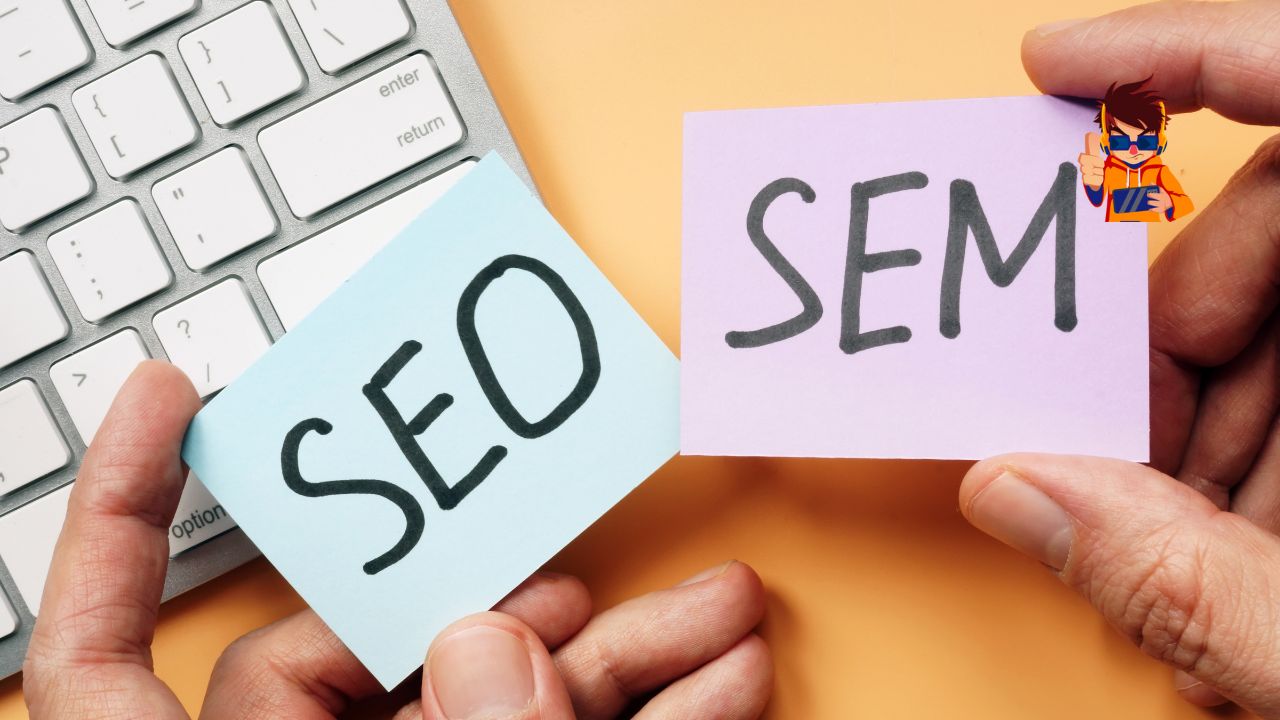
Both SEO and SEM are vital components of digital marketing strategies, yet they differ significantly in execution and outcomes. SEO focuses on organic growth, optimizing your website to rank higher in search engine results pages (SERPs) over time. SEM, on the other hand, uses paid advertising to achieve immediate visibility. While SEO builds lasting value, SEM offers quick wins, making it essential to understand their nuances when planning your long-term strategy.
What is SEO?
SEO (Search Engine Optimization) involves optimizing a website to improve its visibility in organic search results. It’s a long-term strategy aimed at increasing unpaid traffic by enhancing a site’s relevance, authority, and user experience.
- Key Components of SEO:
- On-Page SEO: Includes keyword optimization, meta tags, headers, and high-quality content.
- Off-Page SEO: Focuses on building backlinks, social signals, and external authority.
- Technical SEO: Ensures website performance, mobile-friendliness, and proper indexing by search engines.
- Benefits of SEO:
- Long-lasting results
- Cost-effectiveness over time
- Builds trust and authority with users
- Drives organic traffic
SEO is a sustainable investment that pays off gradually, yielding cumulative benefits that last well beyond the initial effort.
What is SEM?
SEM (Search Engine Marketing) is a broader term that includes both paid and organic strategies but is often used interchangeably with paid advertising, such as pay-per-click (PPC) campaigns. SEM focuses on buying visibility through platforms like Google Ads or Bing Ads.
- Key Components of SEM:
- PPC Advertising: Advertisers bid on keywords to display ads in search engine results.
- Ad Copy and Landing Pages: Creating compelling ads and optimized landing pages for conversions.
- Budget Management: Allocating funds effectively to maximize ROI.
- Benefits of SEM:
- Immediate visibility
- Targeted audience reach
- Measurable results
- Flexibility in campaign adjustments
SEM is ideal for driving traffic quickly and testing market demand, making it an excellent choice for short-term campaigns.
Key Differences Between SEO and SEM
| Aspect | SEO | SEM |
|---|---|---|
| Cost | Primarily free (time and resource-intensive) | Paid (cost per click or impression) |
| Timeframe | Long-term, results appear gradually | Immediate, results are visible as soon as ads run |
| Sustainability | Long-lasting, continues to drive traffic organically | Ends when budget runs out |
| Visibility | Limited to organic rankings | Paid positions ensure top-of-page visibility |
| Effectiveness | Ideal for building authority and trust | Perfect for quick traffic and testing |
Understanding these differences is crucial when deciding which strategy aligns best with your business goals.
Advantages of SEO for Long-Term Results
SEO provides unmatched long-term value by establishing your website as a trusted authority in your industry.
- Sustainable Traffic: Once established, SEO drives consistent organic traffic without ongoing ad spend.
- Credibility and Trust: Users often trust organic results more than paid ads, increasing credibility.
- Higher ROI Over Time: Initial investment pays off as rankings improve and traffic grows.
- Brand Authority: Ranking for competitive keywords establishes your brand as a leader in your niche.
SEO is particularly valuable for businesses seeking to build a strong digital presence and generate consistent traffic over time.
Advantages of SEM for Short-Term Gains
SEM is the go-to strategy for businesses seeking quick visibility and immediate results.
- Instant Results: Ads appear as soon as campaigns go live, generating traffic almost instantly.
- Highly Targeted: SEM allows granular audience targeting based on location, demographics, and behavior.
- Scalable Campaigns: Easily adjust budgets and ad copy to optimize performance.
- Testing Capabilities: Perfect for testing keywords, offers, or new markets before investing in long-term SEO.
SEM is ideal for time-sensitive campaigns, product launches, and businesses needing immediate ROI.
Disadvantages of SEO and SEM
While both strategies are powerful, they have limitations:
- SEO Disadvantages:
- Takes time to show results
- Requires ongoing effort to maintain rankings
- Highly competitive for popular keywords
- SEM Disadvantages:
- Can be expensive, especially in competitive industries
- Traffic stops once the budget is exhausted
- Lower trust compared to organic results
By understanding these drawbacks, businesses can plan more balanced and effective strategies.
When to Focus on SEO
SEO is best suited for businesses looking to establish a strong online presence and drive sustainable growth:
- When you’re building a long-term brand
- If your industry relies on trust and credibility
- For content-heavy strategies like blogs or resources
- When you want to minimize long-term marketing costs
When to Focus on SEM
SEM is the better choice for campaigns requiring immediate impact and measurable results:
- During product launches or time-sensitive promotions
- When testing new markets or keywords
- If you need immediate visibility for competitive keywords
- For targeting highly specific audience segments
Combining SEO and SEM for Optimal Results
SEO and SEM don’t have to be mutually exclusive. Combining them can yield powerful results:
- Start with SEM: Use SEM for quick visibility and lead generation while building your SEO foundation.
- Refine SEO with SEM Data: Analyze SEM performance to identify high-performing keywords and trends, then integrate them into your SEO strategy.
- Sustain Long-Term Growth with SEO: As SEO gains traction, reduce SEM spend and shift focus to organic strategies.
This hybrid approach balances the strengths of both strategies, maximizing ROI and ensuring consistent traffic.
Case Studies: SEO vs. SEM in Action
- E-commerce Brand: An online retailer used SEM for a holiday campaign, achieving immediate sales spikes. Simultaneously, they invested in SEO to rank for popular product categories, driving sustained traffic year-round.
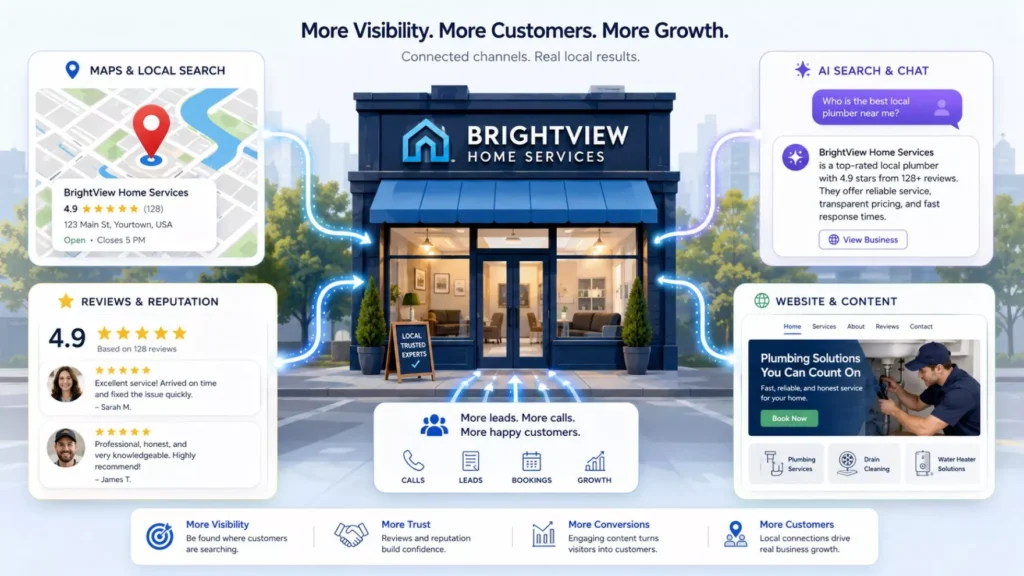
- Local Service Provider: A plumbing company leveraged SEM for geo-targeted ads, securing immediate leads. Their ongoing SEO efforts improved rankings for local search terms, reducing reliance on ads over time.
These examples demonstrate how businesses can tailor their strategies to meet specific goals and timelines.
Conclusion: Choosing the Right Strategy for Your Business
SEO and SEM each have unique strengths, making them valuable components of a digital marketing strategy. For long-term growth, SEO is unparalleled in its ability to drive sustainable traffic and build brand authority. Meanwhile, SEM excels at delivering quick results and testing new markets. Ultimately, the best approach depends on your business goals, timeline, and resources. By understanding the strengths and limitations of both strategies, you can make informed decisions that yield the best results for your business.