In the ever-evolving world of digital marketing, engaging your audience with valuable content is crucial to building lasting relationships and driving conversions. Two popular methods to achieve this are email newsletters and blogs. While both channels serve as powerful tools for communication, they offer distinct benefits and cater to different aspects of audience engagement. This article explores the key differences between email newsletters and blogs, examines what makes each effective, and provides strategies for keeping your audience engaged through these channels.
Understanding Email Newsletters
Email newsletters are periodic communications sent directly to a subscriber list, offering updates, insights, promotions, or curated content. They are a direct line to your audience and offer several key benefits:
- Direct Access: Delivered straight to your subscribers’ inboxes, ensuring a personal connection.
- High Engagement: Personalization and segmentation allow you to tailor content to specific audience segments.
- Consistent Touchpoints: Regular newsletters keep your brand top-of-mind and foster ongoing engagement.
- Conversion-Driven: Well-crafted newsletters can drive traffic to your website, promote products, or encourage event participation.
Effective email newsletters often combine useful information with engaging visuals and clear calls-to-action (CTAs), making them an essential tool for nurturing leads and building long-term relationships.
Understanding Blogs
Blogs are web pages or sections of a website dedicated to regularly updated content, often focusing on topics of interest to your target audience. They serve multiple purposes, including thought leadership, SEO, and providing valuable resources.
- In-Depth Content: Blogs allow for detailed exploration of topics, offering valuable insights and information.
- SEO Benefits: Regular blog posts help improve your website’s search engine rankings by providing fresh, keyword-rich content.
- Evergreen Value: Blog content can remain relevant over time, continuously attracting traffic and providing value.
- Community Building: Engaging blog posts encourage comments, shares, and discussions, building a community around your brand.
Blogs are ideal for establishing authority, educating your audience, and supporting your overall digital marketing strategy with comprehensive, searchable content.
Comparing Engagement: Newsletters vs. Blogs
Although both channels aim to engage audiences, they do so in different ways:
- Reach and Distribution:
- Newsletters offer a direct and personalized approach, ensuring that content reaches a targeted list of subscribers.
- Blogs are public and can reach a broader audience through search engines and social media shares.
- Content Depth and Frequency:
- Newsletters are typically concise and frequent, providing quick updates and curated content.
- Blogs allow for more in-depth exploration of topics and are often updated less frequently, creating a repository of valuable content.
- Interactivity and Feedback:
- Newsletters often include interactive elements such as surveys, polls, and direct links to content, driving immediate responses.
- Blogs offer comment sections and sharing options that foster long-term discussions and community engagement.
- Call-to-Action (CTA):
- Newsletters are highly effective at driving specific actions, such as signing up for events or making a purchase.
- Blogs excel in nurturing relationships and building credibility over time, which can indirectly lead to conversions.
Each channel has its strengths, and the key is to understand your audience and objectives to decide which format—or combination of both—will work best for your brand.
Pros and Cons of Email Newsletters
Pros:
- Direct Connection: Allows personalized communication with subscribers.
- High Conversion Rates: Well-crafted newsletters can drive immediate actions.
- Ease of Segmentation: Enables targeted messaging based on user preferences.
- Regular Engagement: Keeps your audience updated and connected to your brand.
Cons:
- Inbox Overload: Risk of being ignored if subscribers receive too many emails.
- Design Constraints: Limited space and design options compared to web pages.
- List Maintenance: Requires constant efforts to grow and maintain a quality subscriber list.
- Spam Filters: Emails may end up in spam folders if not optimized correctly.
Pros and Cons of Blogs
Pros:
- Depth of Content: Allows for comprehensive exploration of topics.
- SEO Benefits: Regular, quality posts improve search rankings and drive organic traffic.
- Evergreen Value: Blogs can remain relevant and continue attracting readers over time.
- Community Engagement: Encourages discussions, comments, and social sharing.
Cons:
- Slower Engagement: May take time to build an audience and achieve SEO traction.
- Time-Consuming: Requires consistent effort to produce high-quality, long-form content.
- Less Direct Control: Content is open to public scrutiny and less targeted than personalized emails.
- Maintenance: Requires regular updates to remain relevant and avoid becoming outdated.
Strategies to Boost Engagement with Email Newsletters
- Personalization: Use subscriber data to tailor content specifically to the reader’s interests and behaviors.
- Compelling Subject Lines: Craft attention-grabbing subject lines to improve open rates.
- Interactive Content: Include polls, quizzes, and dynamic CTAs to engage readers actively.
- Consistent Schedule: Send newsletters on a regular basis to build anticipation and trust.
- Value-Driven Content: Ensure each newsletter provides actionable insights, exclusive offers, or valuable information.
Strategies to Enhance Blog Engagement
- SEO Optimization: Use targeted keywords and optimize posts for search engines to attract organic traffic.
- Quality Over Quantity: Focus on producing well-researched, high-quality content that offers real value.
- Visuals and Multimedia: Incorporate images, videos, and infographics to make your posts visually appealing.
- Interactive Elements: Enable comments, share buttons, and embedded polls to encourage reader interaction.
- Promotion: Use social media, email newsletters, and influencer collaborations to drive traffic to your blog.
Integrating Both for Maximum Impact
A combined approach leveraging both email newsletters and blogs can provide the best of both worlds:
- Cross-Promotion: Use newsletters to highlight new blog posts and drive traffic, while blogs can encourage readers to subscribe to your newsletter for more personalized content.
- Consistent Branding: Ensure that both formats reflect your brand’s voice and style, creating a cohesive experience.
- Data-Driven Insights: Analyze engagement metrics from both channels to refine content strategy and improve audience targeting.
By integrating both channels, you can create a robust content ecosystem that continually engages and nurtures your audience.
Conclusion
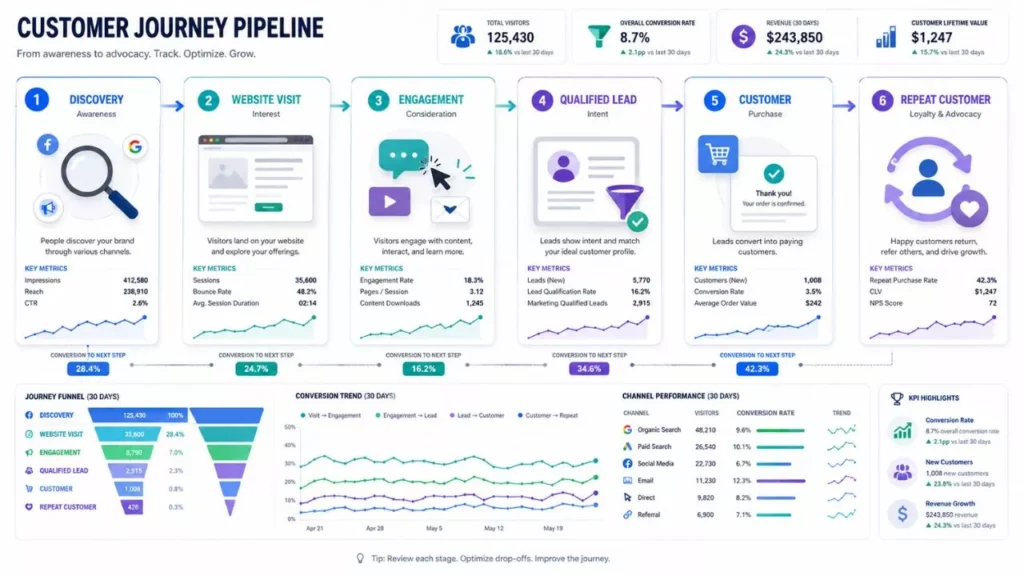
Both email newsletters and blogs play crucial roles in keeping your audience engaged, each offering unique benefits that cater to different aspects of the customer journey. Email newsletters provide a direct, personalized connection that drives immediate engagement and conversions, while blogs offer in-depth, evergreen content that builds trust and authority over time. By leveraging the strengths of both channels and integrating them into a cohesive content strategy, you can create a dynamic and effective marketing ecosystem that resonates with your audience and drives sustained success. Embrace a multi-channel approach to connect with your audience in diverse ways, ensuring that your message not only reaches but also inspires and engages them.