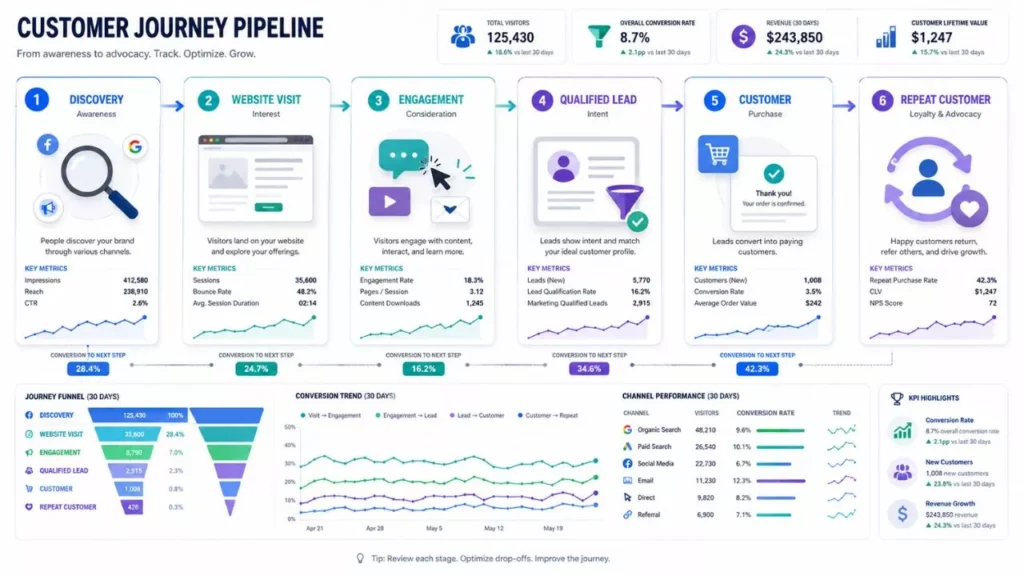
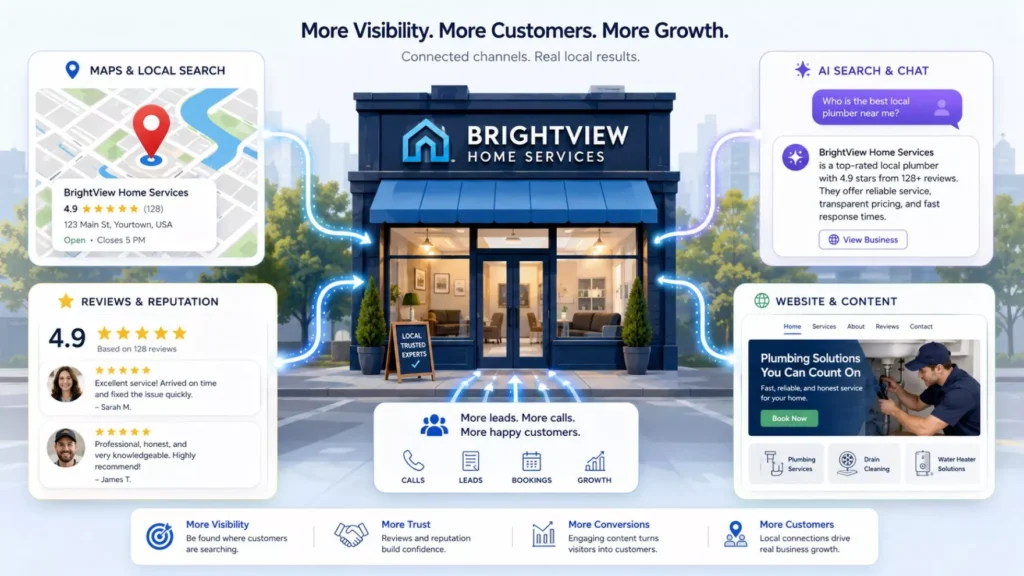
Customer satisfaction and loyalty are essential for long-term success in any business. One of the most effective tools for enhancing customer service and improving these metrics is a Customer Relationship Management (CRM) system. With the power to centralize customer data, streamline interactions, and personalize experiences, a CRM is invaluable for businesses aiming to build lasting relationships. This article explores the specific benefits of using a CRM in customer service and how it can elevate satisfaction and loyalty, transforming customer service into a significant driver of business growth.
Introduction to CRM in Customer Service
In the digital age, customers expect timely responses, personalized experiences, and smooth interactions with brands. Meeting these expectations consistently can be challenging, particularly as customer bases grow. A Customer Relationship Management (CRM) system serves as a centralized hub that allows companies to store and manage customer data, streamline workflows, and personalize interactions. For customer service teams, a CRM is an invaluable asset, transforming routine support tasks into opportunities to delight and engage customers. The result? Improved customer satisfaction, enhanced loyalty, and ultimately, a stronger business foundation.
What is a CRM and How Does it Work?
A CRM is a software platform designed to manage and analyze customer interactions throughout the customer lifecycle. It centralizes information across touchpoints—from sales and marketing to customer support—providing teams with a complete view of each customer’s history and preferences.
- Key CRM Features:
- Contact Management: Stores detailed customer profiles and communication history.
- Task Automation: Automates repetitive tasks like follow-up emails and support ticket assignments.
- Analytics and Reporting: Offers insights into customer behavior, service performance, and feedback.
- Personalization Tools: Enables tailored communication based on customer history and preferences.
CRM systems like Salesforce, HubSpot, and Zoho CRM are widely used across industries for their ability to streamline customer management processes and support businesses in delivering exceptional service.
Centralized Customer Data for Seamless Service
A CRM acts as a centralized database, storing everything from contact information to previous interactions and purchasing history. This consolidated view is especially beneficial for customer service teams:
- Improved Access to Information: Agents can quickly pull up relevant details, reducing the time spent on data retrieval.
- Enhanced Service Consistency: With all data in one place, service teams can provide consistent support regardless of who the customer speaks with.
- Comprehensive Customer Understanding: Seeing a complete customer history allows agents to understand a customer’s journey and provide relevant support, fostering a sense of recognition and appreciation from customers.
By centralizing data, a CRM makes it easier for customer service teams to deliver prompt, accurate, and consistent support.
Personalization: Building a Unique Customer Experience
Personalization has become a key differentiator in customer service. CRMs enable businesses to customize interactions based on individual preferences, past purchases, and previous interactions:
- Tailored Recommendations: Based on customer data, agents can offer product recommendations or services that align with the customer’s past purchases and interests.
- Personalized Communication: CRM systems can segment customers based on their behavior or preferences, allowing for customized messaging that resonates more deeply with the customer.
- Enhanced Engagement: When customers feel that a company understands and values them, they are more likely to remain loyal.
Through personalization, a CRM fosters deeper customer connections, resulting in increased satisfaction and long-term loyalty.
Enhanced Communication and Response Times
Quick response times are crucial for effective customer service, and CRMs play a significant role in making this possible:
- Automated Notifications: CRMs can notify agents about unresolved cases, ensuring that no customer inquiry goes unanswered.
- Customer Ticket Tracking: CRMs track the status of each customer query, allowing agents to follow up quickly if issues remain unresolved.
- Streamlined Communication Channels: CRMs consolidate customer interactions from email, social media, and phone, enabling agents to manage responses from a single interface.
By streamlining communication and accelerating response times, CRMs help businesses deliver efficient, satisfying service.
Automated Tasks for Improved Service Efficiency
A major advantage of CRM systems is their ability to automate repetitive tasks, which boosts service team productivity and allows agents to focus on high-impact tasks.
- Automated Follow-Ups: CRM systems can automate reminders for follow-ups with customers, ensuring consistent communication.
- Case Assignment Automation: When a customer inquiry comes in, the CRM can automatically assign it to the appropriate team member based on expertise or availability.
- Pre-set Responses: CRMs offer pre-set response templates for common queries, allowing agents to respond quickly without drafting messages from scratch.
Automation saves time, minimizes human error, and ensures that customers receive timely, accurate responses.
Real-Time Analytics and Customer Insights
A CRM provides valuable insights into customer behavior, service trends, and performance metrics:
- Customer Feedback Analysis: By gathering feedback, CRMs help identify patterns in customer satisfaction, revealing areas that need improvement.
- Service Performance Metrics: CRMs track response times, resolution rates, and other KPIs, allowing managers to monitor and optimize team performance.
- Predictive Insights: Advanced CRM systems use analytics to anticipate customer needs, enabling proactive service measures.
These insights allow businesses to make data-driven decisions, continuously improving service quality and customer satisfaction.
Proactive Customer Service with CRM
CRMs enable a proactive approach to customer service by helping businesses anticipate customer needs before they arise:
- Automated Reminders: CRMs can remind customers about product renewals or maintenance check-ups, providing timely assistance and adding value to the relationship.
- Personalized Offers: Based on previous purchases, CRMs can trigger personalized offers or discounts, showing customers that the company values their loyalty.
Proactive customer service creates memorable experiences, increasing customer loyalty and reducing churn.
Cross-Team Collaboration and Information Sharing
CRMs are designed to foster collaboration between different teams, ensuring that everyone has the information they need to provide excellent customer service:
- Unified Communication: All departments—sales, marketing, and support—have access to shared customer data, promoting seamless handovers between teams.
- Knowledge Sharing: Agents can leave notes and updates on customer profiles, allowing other team members to understand the customer’s history and preferences quickly.
Cross-team collaboration leads to more cohesive service and a consistent customer experience, improving satisfaction and loyalty.
Mobile Access for On-the-Go Customer Service
Many CRM systems offer mobile access, allowing field teams and remote agents to access customer information from anywhere:
- Remote Access to Data: Mobile CRM apps enable teams to stay connected to customer data, improving response times and service consistency.
- Real-Time Updates: Field agents can update customer records on the go, ensuring that all teams have access to the most current information.
Mobile access provides flexibility, making it easier for teams to meet customer needs, regardless of location.
Data Security and Compliance in CRM
Data security is a priority in CRM systems, as they handle sensitive customer information:
- Data Encryption and Secure Storage: CRMs use encryption to protect customer data, ensuring compliance with regulations like GDPR.
- Access Controls: Role-based access in CRMs restricts information based on team member roles, adding an extra layer of protection.
By safeguarding customer data, CRMs not only protect the company but also build customer trust.
Best Practices for Implementing a CRM in Customer Service
To fully leverage a CRM, consider the following best practices:
- Select the Right CRM: Choose a CRM that aligns with your business needs, with features that support your customer service goals.
- Train Your Team: Comprehensive training ensures that team members use the CRM effectively, maximizing its impact on service quality.
- Continuously Optimize: Regularly review CRM analytics and feedback to refine processes and improve service.
These practices help businesses implement a CRM effectively, ensuring maximum benefit to customer service.
Real-World Success Stories
Many businesses have seen remarkable improvements in customer service using a CRM:
- E-commerce Brand Boosts Satisfaction: An online retailer saw a 40% increase in customer satisfaction by using a CRM to track interactions and provide personalized support.
- Financial Firm Improves Retention: A financial services firm used CRM automation to remind clients about service renewals, increasing customer retention by 25%.
These examples demonstrate how CRMs improve customer service, resulting in happier, more loyal customers.
Conclusion: Embracing CRM for a Loyal Customer Base
Investing in a CRM for customer service offers businesses the tools they need to deliver exceptional service, build lasting relationships, and boost loyalty. By centralizing customer data, automating tasks, and providing insights into customer behavior, a CRM transforms service interactions into opportunities to engage and delight customers. For companies aiming to improve satisfaction and loyalty, a CRM system is not just a tool but a strategic asset that supports sustainable growth and a loyal customer base.