In today’s competitive market, optimizing your sales funnels is crucial to achieving higher conversion rates. A well-designed funnel not only guides potential customers through the customer journey, but also nurtures leads and converts them into loyal customers. In this blog, we’ll explore practical strategies and sales funnel tips to enhance your funnel’s performance, ensuring you maximize your conversion funnel and ultimately, your revenue.
Understanding the Sales Funnel
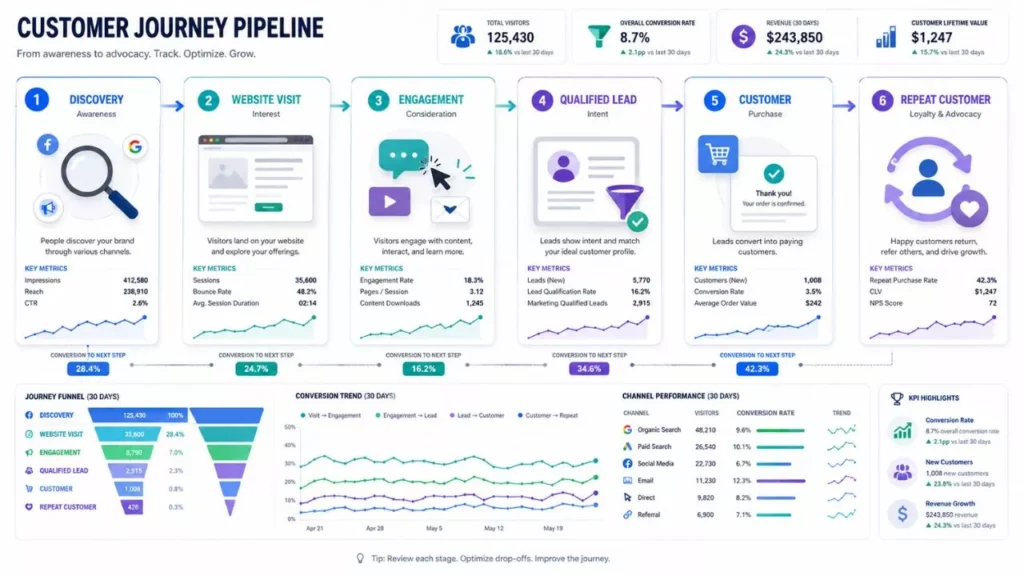
Before diving into funnel optimization, it’s essential to understand the various funnel stages. Each stage of the funnel plays a vital role in converting leads into paying customers:
- Awareness: The top of the funnel where potential customers first learn about your brand.
- Interest: Here, prospects show interest in your product or service and seek more information.
- Decision: At this stage, leads are evaluating your offerings against competitors.
- Action: The final stage where the prospect converts into a customer by making a purchase.
Each stage requires careful consideration in your sales funnel design to address customer needs and pain points effectively.
Optimizing Each Stage of the Funnel
Top of the Funnel: Awareness and Lead Generation
At the top of the funnel, your goal is to attract as many prospects as possible. This is where your marketing funnel plays a significant role. Content marketing, social media campaigns, and SEO strategies are effective tools to increase visibility and drive traffic to your site. Here, funnel analytics is crucial for understanding which channels are driving the most traffic and generating the most leads.
Tips:
- Utilize lead nurturing strategies to engage prospects through email marketing.
- Implement funnel metrics to track engagement and conversion at this stage.
Middle of the Funnel: Nurturing and Building Interest
The middle of the funnel is where lead conversion becomes the focus. Prospects who have shown interest need more targeted content that addresses their specific needs. This is where personalized emails, case studies, and product demos come into play. Your sales funnel strategy should include nurturing these leads with valuable content that helps them move closer to a purchasing decision.
Tips:
- Use funnel improvement techniques like A/B testing to refine content and messaging.
- Incorporate funnel performance tracking to measure engagement and adjust strategies as needed.

Bottom of the Funnel: Conversion and Retention
The bottom of the funnel is where the magic happens – sales conversion. At this stage, the focus is on closing the deal and converting leads into paying customers. Offering incentives, providing a seamless checkout process, and ensuring excellent customer support can significantly enhance customer conversion. Post-purchase, retention strategies are vital to maintaining customer loyalty and encouraging repeat business.
Tips:
- Optimize your conversion funnel with clear calls-to-action (CTAs) and a streamlined purchasing process.
- Use funnel metrics to analyze conversion rates and identify areas for funnel improvement.
Analyzing and Improving Funnel Performance
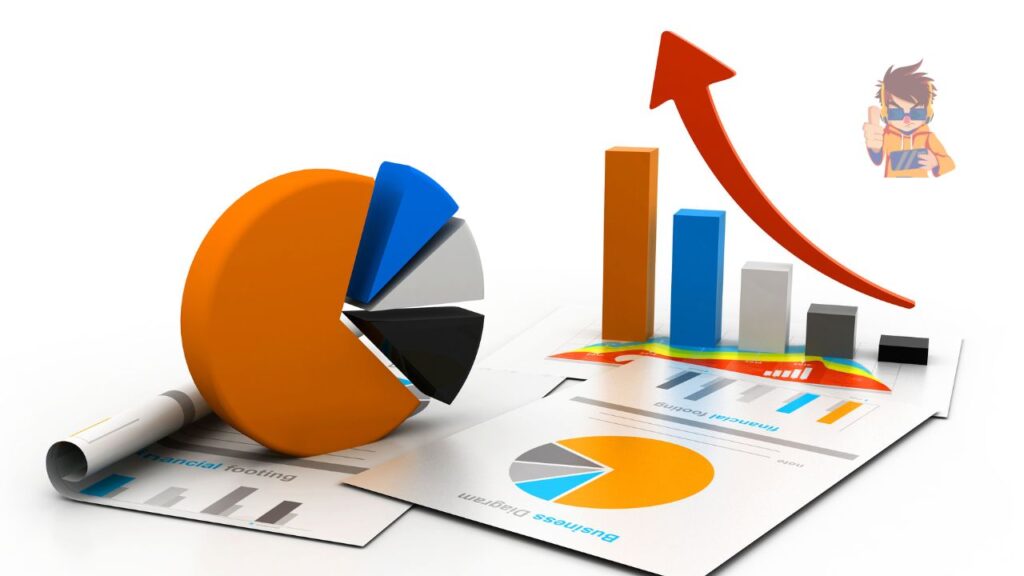
Continuous analysis and funnel improvement are essential to achieving maximum conversion rates. Regularly reviewing your funnel analytics allows you to identify bottlenecks and areas where leads drop off. Implementing these insights leads to a more effective sales process and ultimately boosts your conversion rates.
Sales funnel tips for improvement include:
- Conducting A/B testing to optimize landing pages and CTAs.
- Regularly updating content to ensure relevance and engagement.
- Monitoring funnel metrics closely to measure effectiveness.
Conclusion
Optimizing your sales funnels is a dynamic process that requires constant attention and refinement. By understanding the funnel stages and applying strategic sales funnel design principles, you can guide your prospects through a seamless journey that maximizes conversion rates. Utilize tools and funnel analytics to track progress and make data-driven decisions that enhance your sales funnel effectiveness. As you refine your approach, you’ll see significant improvements in customer conversion and overall sales growth.