In the ever-evolving landscape of digital marketing, staying ahead means constantly honing your skills. From the intricacies of SEO (Search Engine Optimization) to the dynamic world of social media marketing, each skill you acquire not only enhances your expertise but also elevates your brand’s digital presence. Let’s dive into the crucial digital marketing skills that will keep you at the forefront of this digital revolution.
Navigating the Digital Waves with SEO and SEM

Understanding SEO is akin to mastering the art of being found in the vast ocean of digital content. It’s not just about keywords; it’s about creating a seamless user experience that search engines reward with higher visibility. Parallelly, SEM (Search Engine Marketing) empowers you to be the beacon in the digital fog, guiding potential customers to your shores through targeted advertising and insightful keyword strategies.
The SEO Voyage: Charting Your Course
Navigating the SEO landscape requires a map and compass; your map is the ever-evolving algorithms, and your compass is the data-driven insights you gather. It’s about understanding the terrain – from on-page elements like meta tags and content quality to off-page factors such as backlinks and online reputation. Here’s what to focus on:
- Keyword research and optimization
- High-quality content creation
- Mobile responsiveness
- User experience (UX)
Illuminating the Path with SEM
While SEO lays the foundation, SEM shines a light, guiding your audience directly to your offerings. It’s the precision of PPC advertising married with the analytical depth of market research. Key elements include:
- Crafting compelling ad copy
- Targeting and retargeting the right audience
- Analyzing and adjusting bids for optimal ROI
- Integrating SEM with overall marketing strategies
SEO and SEM: The Confluence
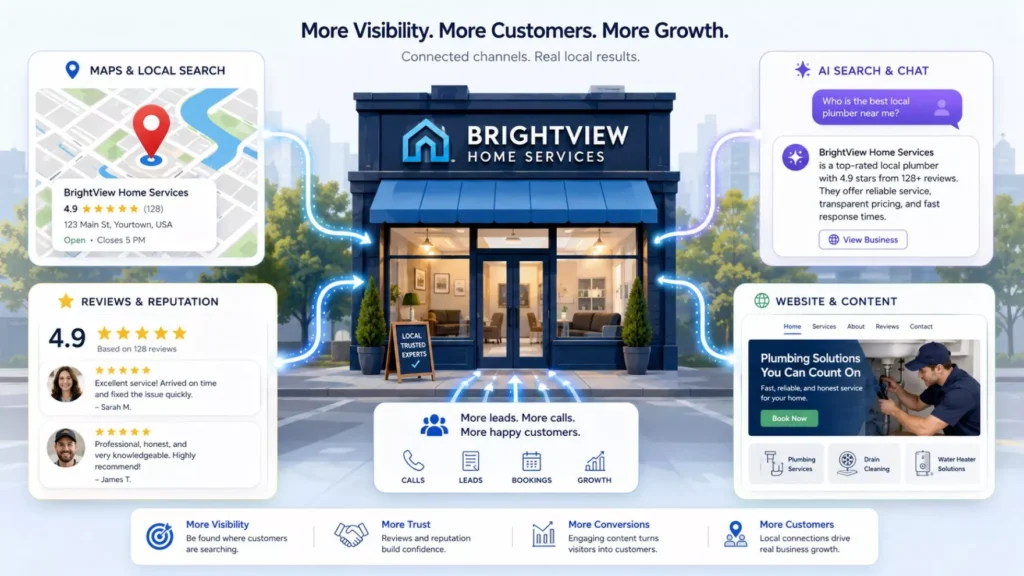
Where SEO and SEM converge, there lies the sweet spot of digital visibility. It’s not an either/or scenario but a harmonious blend, ensuring your brand stands out in the digital sea. Balancing organic reach with paid visibility allows for a comprehensive approach to digital marketing.
- Integration of SEO and SEM: Leveraging data from both to enhance overall strategy
- Cross-channel optimization: Ensuring consistency across various platforms
- Continuous learning: Staying updated with the latest trends and algorithm changes
Mastering SEO and SEM is akin to being a skilled captain navigating the digital waves. With a deep understanding of these digital marketing skills, you’re set to sail towards success, making every digital interaction an opportunity to anchor your brand in the minds of your audience.
Crafting Stories and Engagement: Content and Social Media Mastery

In the realm of digital marketing, the art of content marketing and social media marketing stands as a pivotal force, driving narratives that connect, resonate, and engage. It’s here where brands find their voice, crafting stories that not only inform and entertain but also foster a sense of community and belonging among their audience.
The Narrative Power of Content Marketing
Content marketing isn’t just about filling pages or screens; it’s about crafting messages that matter to your audience. It involves:
- Understanding your audience’s needs and interests
- Developing a content strategy that aligns with your brand’s values and goals
- Creating content that educates, entertains, and informs
- Using SEO strategies to ensure your content is discoverable and impactful
Connecting Through Social Media: A Strategy for Engagement
Social media marketing goes beyond mere presence. It’s about meaningful interaction:
- Developing a consistent brand voice across platforms
- Engaging with followers through comments, messages, and posts
- Leveraging analytics to understand and grow your audience
- Utilizing platforms’ unique features for deeper engagement (e.g., Stories, Live videos)
Integrating Content and Social Media: A Unified Approach
The synergy between content marketing and social media marketing is undeniable. Effective integration leads to:
- Amplified reach of your content through social sharing
- Increased engagement on social media through compelling content
- Unified messaging that reinforces your brand’s narrative
The Continuous Evolution: Staying Ahead in Content and Social Media
To master these domains, one must be an avid learner and an adaptable strategist, always ready to:
- Embrace new trends and platform updates
- Experiment with different content formats and marketing techniques
- Analyze performance data to refine and enhance strategies
Through the mastery of content marketing and social media marketing, brands can weave stories that not only captivate but also connect, transforming passive audiences into active communities and loyal advocates.
Data-Driven Decisions: The Role of Analytics and CRM

In the dynamic landscape of digital marketing, data analytics and CRM (Customer Relationship Management) skills are the twin engines powering informed strategies and fostering meaningful customer relationships. These disciplines enable marketers to not just chase but anticipate and meet the evolving needs of their audience.
Harnessing the Power of Data Analytics
Data analytics transcends mere number crunching; it’s about uncovering the story behind the data:
- Utilizing data analytics to track and measure key performance indicators (KPIs) across campaigns
- Employing advanced analytical techniques to predict trends and customer behaviors
- Integrating data from various channels to create a holistic view of the marketing landscape
- Applying insights from analytics to refine SEO, SEM, content marketing, and more
CRM: The Heartbeat of Customer Engagement
CRM skills are not just about managing data; they’re about forging connections:
- Developing strategies to personalize customer interactions, enhancing email marketing and social media marketing efforts
- Leveraging CRM data to segment audiences and tailor marketing messages
- Utilizing CRM insights to improve customer service and foster loyalty
- Integrating CRM with other platforms, like e-commerce marketing, to create seamless customer experiences
The Symbiosis of Analytics and CRM
When data analytics and CRM converge, they create a comprehensive ecosystem for informed decision-making and customer-centric marketing:
- Aligning analytics with CRM to ensure data informs every touchpoint along the customer journey
- Utilizing analytics to enhance CRM efficiency, making every interaction more impactful and meaningful
- Creating feedback loops where CRM insights inform data analysis, leading to continuously optimized strategies
Embracing a Data-Informed Future
To truly excel in the digital realm, embracing a data-driven mindset is crucial:
- Committing to ongoing learning to stay abreast of advancements in data analytics and CRM technologies
- Cultivating a culture where data informs all levels of decision-making
- Ensuring ethical data use, respecting privacy, and building trust with your audience
Mastering data analytics and CRM equips marketers with the insights and tools needed to navigate the digital marketing realm with precision and empathy, ensuring that every strategy is as informed as it is impactful.
Visual and Interactive Excellence: Graphic Design and Augmented Reality

In today’s digital landscape, graphic design and Augmented Reality (AR) stand at the forefront of innovative marketing strategies, offering brands unique ways to engage and captivate their audience. These visual and interactive mediums are not just tools but are central to creating experiences that resonate deeply with users, blending creativity with technology to craft compelling brand narratives.
The Artistry of Graphic Design in Digital Marketing
Graphic design in digital marketing transcends traditional aesthetics; it’s a strategic tool that enhances user engagement and communicates brand values:
- Crafting visually appealing and consistent brand identities across various digital platforms.
- Enhancing content marketing strategies with engaging visuals that increase retention and shareability.
- Utilizing design principles in web design and development to improve user experience and conversion rate optimization.
- Integrating graphic design with SEO and SEM strategies to create visually optimized content for better search engine rankings.
Immersive Experiences with Augmented Reality Marketing
Augmented Reality marketing offers an interactive dimension to the digital experience, allowing users to engage with brands in a more profound and memorable way:
- Developing AR experiences that complement and enhance traditional digital advertising and social media marketing campaigns.
- Leveraging AR for e-commerce marketing to provide customers with immersive product previews, increasing confidence in purchase decisions.
- Using AR for storytelling and branding, creating narrative experiences that forge strong emotional connections with the audience.
- Enhancing mobile marketing strategies by integrating AR applications, providing users with interactive content on their devices.
Synergy of Design and Technology
The fusion of graphic design and AR in marketing creates a synergy where design aesthetics meet technological innovation, offering new ways to captivate and engage:
- Employing data analytics to refine and optimize AR experiences based on user interactions and feedback.
- Ensuring designs are optimized for various platforms, considering the technical specifications and user contexts of each medium.
Future-Proofing with Design and AR
As digital marketing continues to evolve, embracing graphic design and AR ensures brands remain at the cutting edge of engagement and communication:
- Staying abreast of the latest trends and technological advancements in AR and design to continually innovate marketing strategies.
- Integrating emerging technologies like voice search optimization and virtual reality with AR and design to create holistic and futuristic marketing experiences.
By mastering graphic design and augmented reality marketing, brands can transcend traditional marketing constraints, offering experiences that not only attract but also immerse and resonate, setting the stage for the future of digital engagement.
The Art of Persuasion: PPC Advertising and Conversion Optimization

In the digital marketing orchestra, PPC (Pay-Per-Click) advertising and conversion rate optimization are the instruments of persuasion, playing crucial roles in attracting and converting the audience. These tactics are not just about drawing attention; they’re about compelling action, turning interest into engagement, and engagement into commitment.
Mastering the Click: The Dynamics of PPC Advertising
PPC advertising is the spotlight, illuminating your brand to the right audience at the right time. Mastering this skill involves:
- Crafting compelling ad copy that resonates and compels.
- Strategically selecting keywords and audiences to maximize ROI.
- Analyzing and refining campaigns based on performance data.
- Integrating PPC with SEO and content marketing for cohesive digital strategies.
The Conversion Quest: Enhancing User Journeys
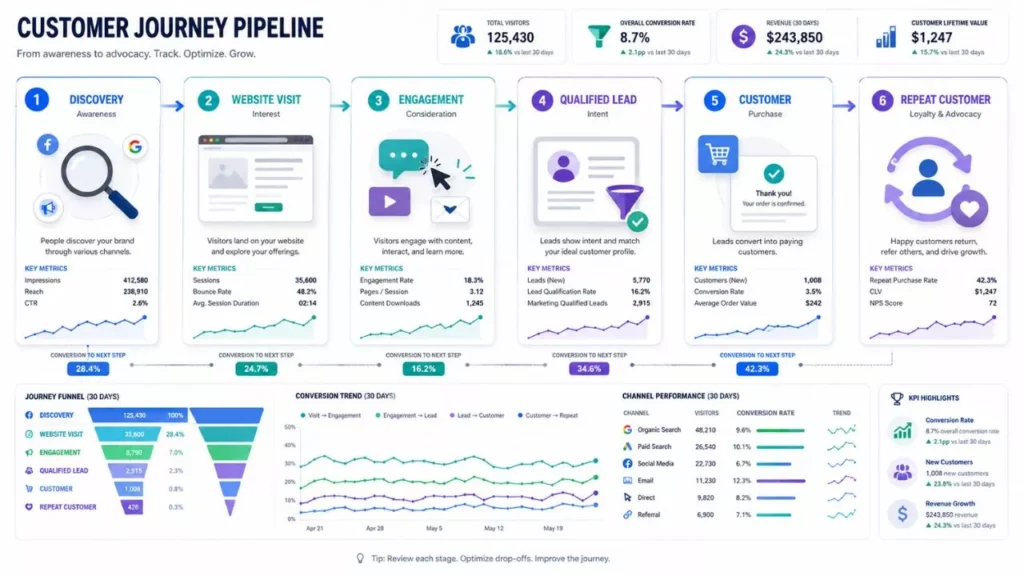
Conversion rate optimization is the art of guiding the audience through a seamless journey, from initial interest to final action. It entails:
- Analyzing user behavior to identify and remove friction points.
- A/B testing various elements to discover the most effective strategies.
- Leveraging web design and development principles to create intuitive and engaging user experiences.
- Employing data analytics to continuously refine and optimize the conversion process.
Synergy in Persuasion: Aligning PPC and Conversion Strategies
The true power of persuasion lies in the alignment of PPC advertising and conversion optimization, ensuring that every click has the potential to convert. This synergy involves:
- Creating consistent messaging from ads to landing pages.
- Utilizing CRM insights to personalize and enhance the conversion journey.
- Measuring the impact of PPC efforts on conversion rates and adjusting strategies accordingly.
Future-Forward: Evolving with PPC and Conversion Tactics
To stay ahead in the art of digital persuasion, it’s essential to keep pace with evolving PPC and conversion optimization tactics, embracing new technologies and trends to refine and enhance your strategies continuously.
By mastering PPC advertising and conversion rate optimization, digital marketers can not only capture attention but also catalyze action, turning passive viewers into active participants and loyal customers in the digital realm.
In the dynamic digital arena, your arsenal of digital marketing skills is your greatest asset. As you navigate through the complexities of digital trends, remember that each skill you acquire is a step towards mastering the art of digital marketing, ensuring that you’re not just keeping up but leading the way.