Many business owners think of a Business Website as another marketing expense. In reality, a well-designed website is a long-term business asset that can increase visibility, improve customer trust, support sales, and create opportunities for sustainable growth.
Unlike paid advertising, which stops producing results when your budget runs out, a website continues working every day by providing information, attracting visitors through search engines, and helping potential customers learn about your products or services.
For businesses of every size—from startups to established companies—a professional website is one of the most valuable digital investments you can make.
A Website Is a Business Asset, Not Just a Marketing Tool
A business website performs multiple functions simultaneously:
A well-structured Business Website can serve as the foundation for your online presence, enhancing your credibility and outreach.
- Represents your brand
- Explains your products and services
- Answers customer questions
- Generates inquiries
- Supports customer service
- Helps customers contact you
- Collects valuable business data
Unlike printed brochures or temporary advertising campaigns, a Business Website can continuously evolve alongside your business.
Thinking of your website as an asset instead of an expense changes how you prioritize updates, maintenance, and long-term improvements.
Your Website Builds Trust Around the Clock
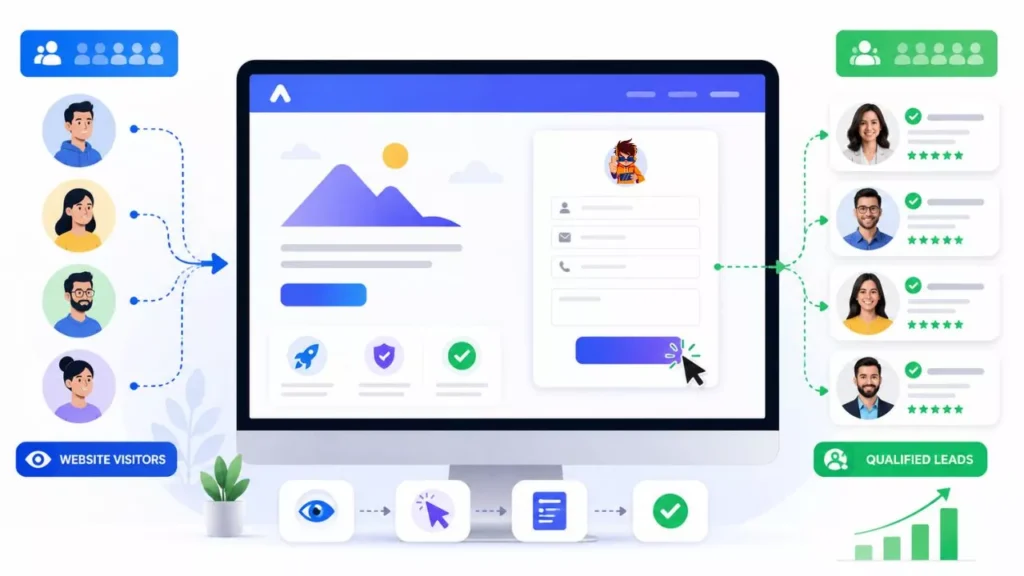
Today’s customers often research businesses before making contact.
A professional website signals that your business is established, accessible, and prepared to serve customers. Visitors typically expect to find:
- Company information
- Products or services
- Pricing (when appropriate)
- Contact details
- Customer testimonials
- Frequently asked questions
- Business location
- Operating hours
Without this information, potential customers may choose a competitor who provides a clearer online experience.
A well-maintained website also demonstrates professionalism and reinforces your brand identity.
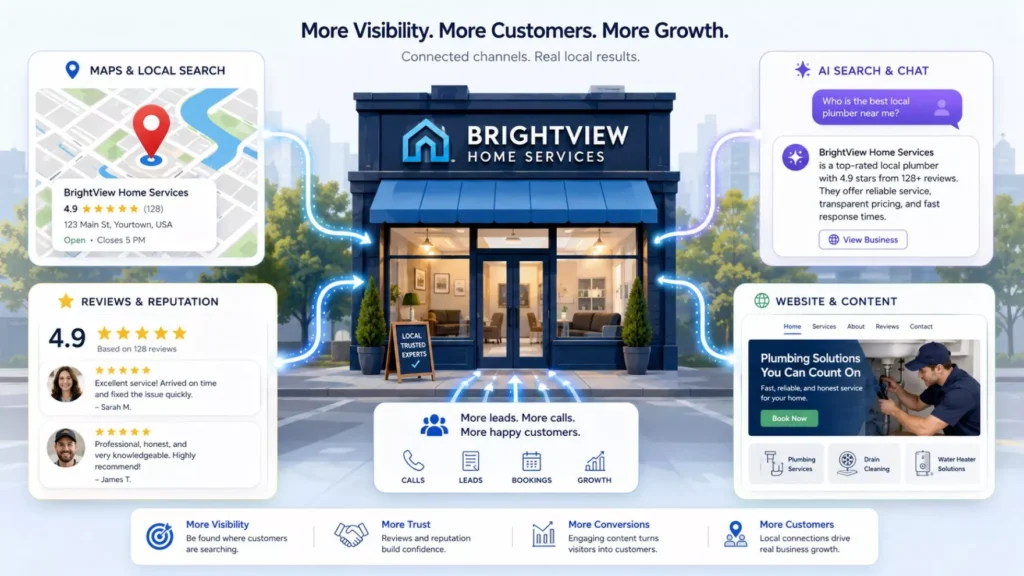
It Helps Customers Find You
Many purchasing decisions begin with an online search.
When your website is optimized for search engines, it can appear when potential customers search for:
- Products
- Services
- Local businesses
- Industry expertise
- Solutions to specific problems
Search engine optimization (SEO), helpful content, and a technically sound website improve the chances of being discovered by people actively looking for what you offer.
For local businesses, combining a website with local SEO can strengthen visibility in regional search results. A well-structured website also supports AI-powered search experiences by presenting clear, organized, and authoritative information.
A Website Generates Leads 24/7
Unlike physical stores or offices with limited operating hours, your website remains available at all times.
Visitors can:
- Submit contact forms
- Request quotes
- Schedule consultations
- Download resources
- Join mailing lists
- Purchase products
- Learn about services
This means your website can continue generating opportunities even outside normal business hours.
Over time, consistent lead generation can significantly increase the return on your initial website investment.
You Own Your Digital Presence
Many businesses rely heavily on social media platforms.
While social media is valuable, those platforms are controlled by third parties.
Algorithms change.
Policies change.
Reach changes.
Your website is different.
It is a digital property you control.
You decide:
- The content
- The branding
- The user experience
- The navigation
- The customer journey
Social media should support your website—not replace it.
Your website serves as the central destination where customers can access complete, accurate, and up-to-date information.
Your Website Supports Every Marketing Channel
Almost every digital marketing strategy points back to your website.
Examples include:
| Marketing Channel | How Your Website Supports It |
| SEO | Ranks valuable content |
| Email marketing | Converts subscribers into customers |
| Social media | Provides destination pages |
| Paid advertising | Improves landing page conversions |
| Content marketing | Publishes educational resources |
| Local marketing | Displays maps, reviews, and contact information |
Instead of existing independently, your website becomes the foundation connecting all marketing activities.
It Provides Valuable Business Insights
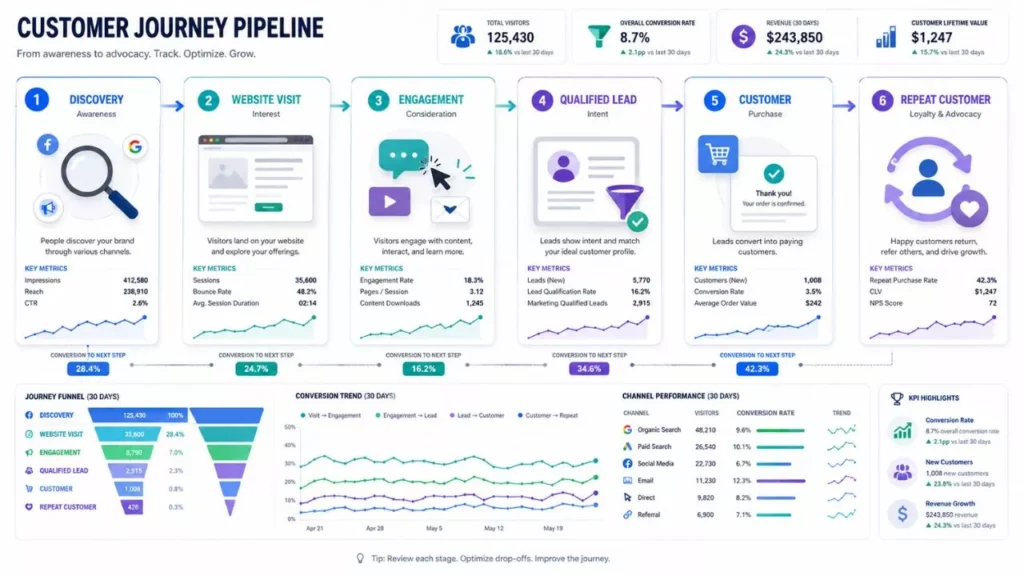
Modern websites can measure visitor behavior through analytics tools.
Businesses can learn:
- Which pages receive the most traffic
- Where visitors come from
- Which marketing channels perform best
- Which products attract attention
- How visitors move through the website
- Which pages generate inquiries
These insights help businesses make more informed marketing and operational decisions instead of relying on assumptions.
Continuous measurement also allows businesses to improve website performance over time.
A Professional Website Scales with Your Business
Your website should grow as your business grows.
You can gradually add:
- New service pages
- Product catalogs
- Online booking
- Customer portals
- Blogs
- Resource libraries
- Video content
- Online payments
- Live chat
- Multilingual support
This flexibility allows your website to adapt to changing customer expectations and business goals without rebuilding your digital presence from scratch.
Key Features That Maximize Website ROI
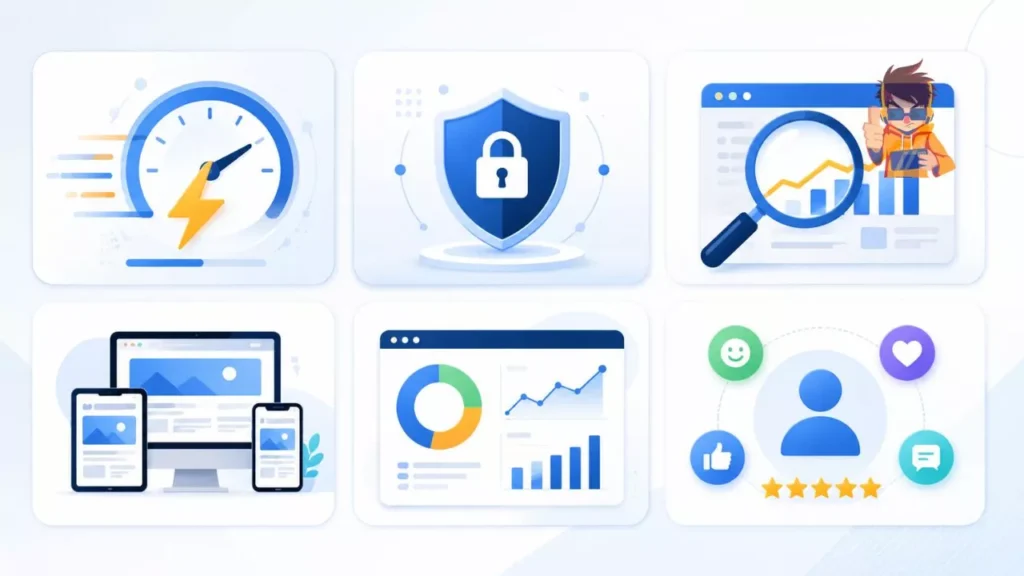
To maximize the long-term value of your website, prioritize these essential elements:
| Feature | Business Benefit |
| Mobile-friendly design | Better user experience across devices |
| Fast loading speed | Improved engagement and SEO |
| Clear navigation | Easier customer journeys |
| Strong calls to action | Higher conversion potential |
| Secure HTTPS connection | Increased trust and security |
| High-quality content | Better visibility and authority |
| Contact information | Easier customer communication |
| Analytics integration | Data-driven decision-making |
| Regular updates | Improved performance and relevance |
Together, these features support usability, discoverability, and long-term business value. Search engines and users both favor websites that are fast, accessible, and easy to navigate.
Frequently Asked Questions
Is a business website really worth the investment?
Yes. A professional website can improve credibility, attract new customers, support marketing efforts, and generate leads continuously. While results vary by industry and execution, it is generally considered a foundational business asset.
Can small businesses benefit from having a website?
Absolutely.
Even local businesses benefit from providing accurate information, showcasing services, collecting inquiries, and appearing in search results when customers are looking for nearby solutions.
Why isn’t social media enough?
Social media platforms are useful for engagement, but businesses do not control their algorithms or policies.
A website gives you complete ownership of your content, customer experience, and digital brand.
How often should a business website be updated?
Regular updates are recommended.
This includes:
- Content improvements
- Security updates
- Product information
- Company news
- Performance optimization
Keeping your website current supports both users and search visibility.
What makes a website a long-term investment?
Unlike one-time advertisements, a website can continue attracting visitors, generating leads, and supporting customer relationships for years when maintained properly.
Does every business need a website?
Most businesses benefit from having one.
Whether you sell products, provide professional services, operate locally, or serve international customers, a website provides a central place where people can learn about your business and take action.
Conclusion
A business website is much more than an online brochure—it is a strategic investment that supports credibility, visibility, customer acquisition, and long-term growth. It serves as the hub of your digital presence, connects all of your marketing efforts, and provides valuable insights that help you make informed business decisions.
As search engines and AI-powered discovery tools increasingly reward clear, trustworthy, and well-structured information, investing in a high-quality website becomes even more important. Businesses that treat their websites as evolving assets—not one-time projects—are better positioned to adapt to changing customer expectations and digital trends.